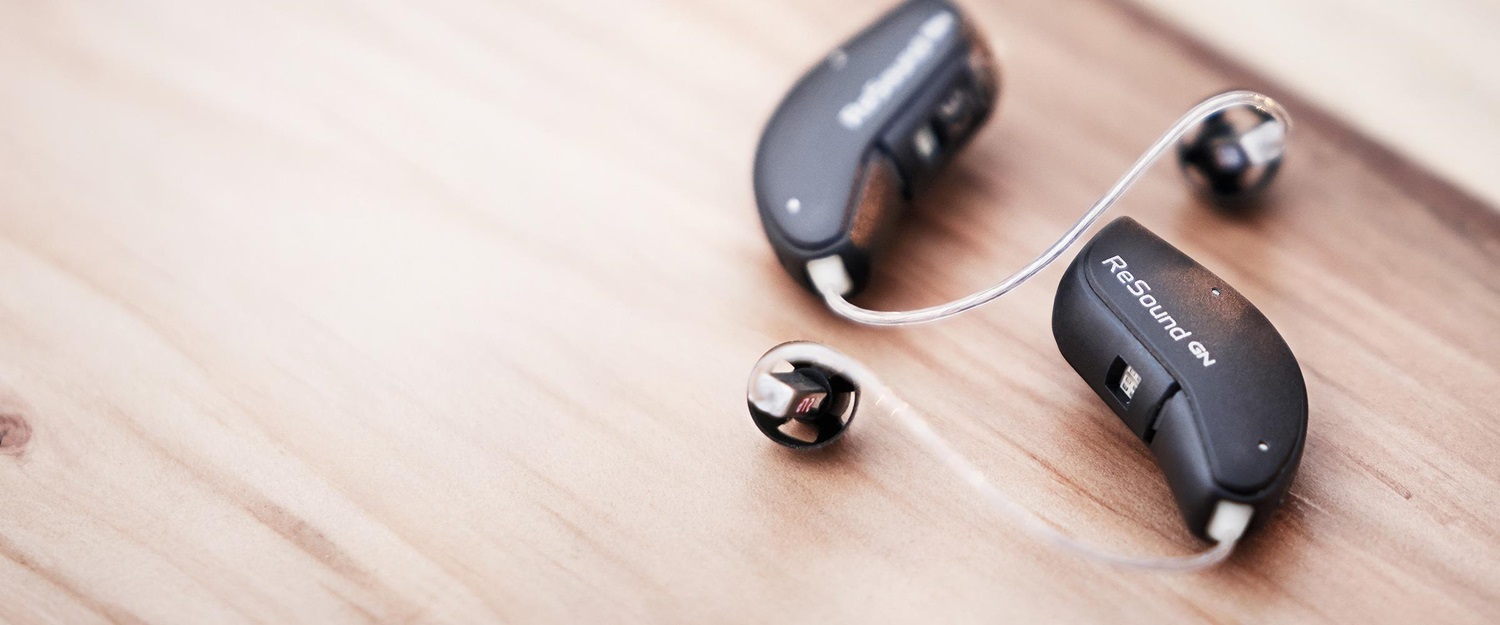
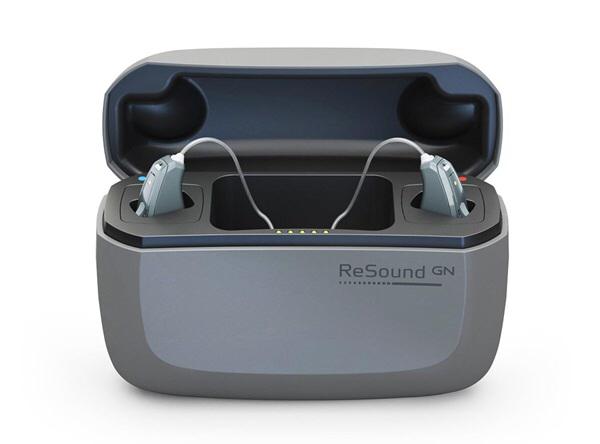
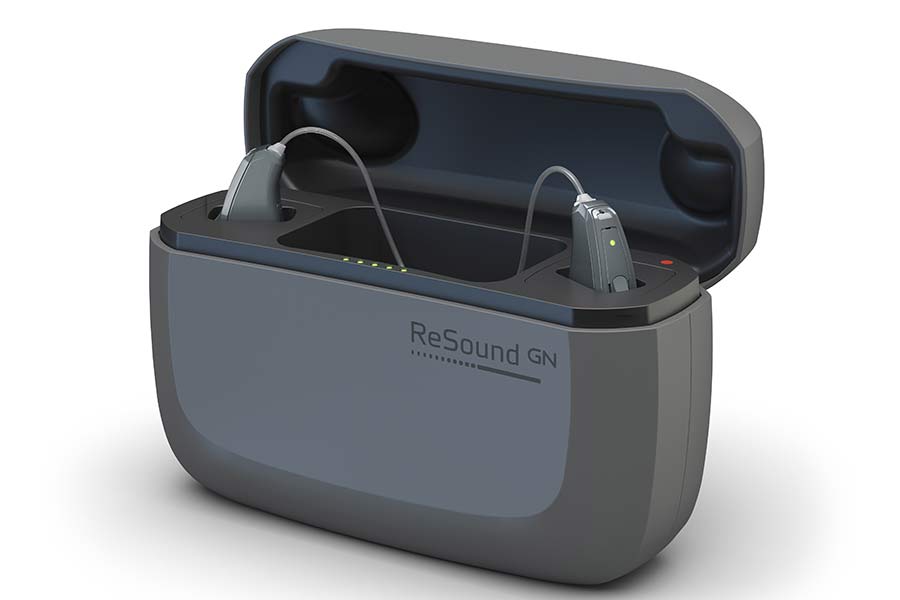
RResound today announced the launch of a new hearing aid, the Linx Quattro, which they call a premium plus hearing aid. They say “ReSound LiNX Quattro™ is designed for people who want the very best that technology has to offer. It is the first hearing aid that maximizes the full sound potential of today’s high-performance hearing aid components enabling clearer, fuller and richer Layers of Sound™ for people with hearing loss”. The key takeaways so far are,
Brand new chip platform
100% faster processing than 3D
100% additional memory than 3D
a new way of handling directionality inputs
extended high-frequencies
higher input dynamic range
Lithium-ion rechargeable battery pack
24 hours of use even with 50% streaming
here is what they had to say
ReSound LiNX Quattro™ defines a new category in hearing aids: Premium-Plus
ReSound LiNX Quattro™ represents a combination of benefits that no other hearing aids offer, including:Sound quality: A brilliant sound experience, with clearer, fuller and richer Layers of Sound™. With the highest input dynamic range available and extended high frequencies, sounds are processed in increased detail at all input levels, leading to superior sound quality where softer sounds are clearer and louder sounds are fuller and distortion-free. Rechargeability: Longest rechargeable battery life available. Users benefit from an integrated Li-ion battery with 24 hours of use even when streaming 50% of the time.
Access to clearer, fuller and richer Layers of Sound™
With ReSound LiNX Quattro™ GN Hearing introduces a new chip platform and its 6th generation of 2.4 GHz wireless connectivity. Compared to ReSound LiNX 3D™, the new chip enables 100% faster processing, 100% additional memory, 35% increase in frequency bandwidth, and the highest input dynamic range in the industry. With a new chip platform, a completely rewritten sound processing package, a redesigned wireless radio with extra signal strength and a unique utilisation of microphones, sounds are passed to the amplifier without being altered. The result is a brilliant experience with Layers of Sound™ that is designed to inspire confidence in people with hearing loss, so that they can enjoy the moments that matter most.
“ReSound LiNX Quattro is the perfect choice for people who want to upgrade to a new premium-plus class of hearing aids that deliver unprecedented Layers of Sound and the longest battery life available in stylish, discreet designs,” said Paul Daft, Managing Director, GN Hearing UK. “Most importantly, the richer sound quality helps people hear better and be more present in their daily lives. Whether at a loud dinner party or business meeting in a quiet café, people can hear a fuller, clearer range of sounds, allowing them to focus on the conversation while still hearing the sounds around them.”
ReSound Assist™ enables personalised care from anywhere The ReSound Assist™ feature connects hearing aid users with their hearing care professionals via the ReSound Smart 3D™ app, allowing remote adjustment of their hearing aids without having to visit the clinic. This is especially beneficial for users who have limited mobility, live in rural areas, have active lives and busy careers, or need to travel long distances to visit their hearing care professional.
In a study to examine the impact of remote fine-tuning on hearing care professionals and users, results showed that 100 percent of hearing care professionals said they would recommend remote fine-tuning to peers, and 94 percent said it helps them provide users with a better hearing experience. The same study showed that 77 percent of users think their new settings improve their hearing, while 89 percent said they would recommend remote fine-tuning to other hearing aid users.
We would all like a top of the range something, for me, it would probably be a laptop. Unfortunately, when it comes to purchasing something, we have to cut our cloth to our budget. When it comes to hearing aids, sometimes that makes for tough decisions. However, with the introduction of a slew of new devices from hearing aid brands, losing out on Bluetooth connectivity is not one of them. Let’s talk about Bluetooth hearing aids on a budget.
Zerena 3 and 1 Hearing Aid Ranges
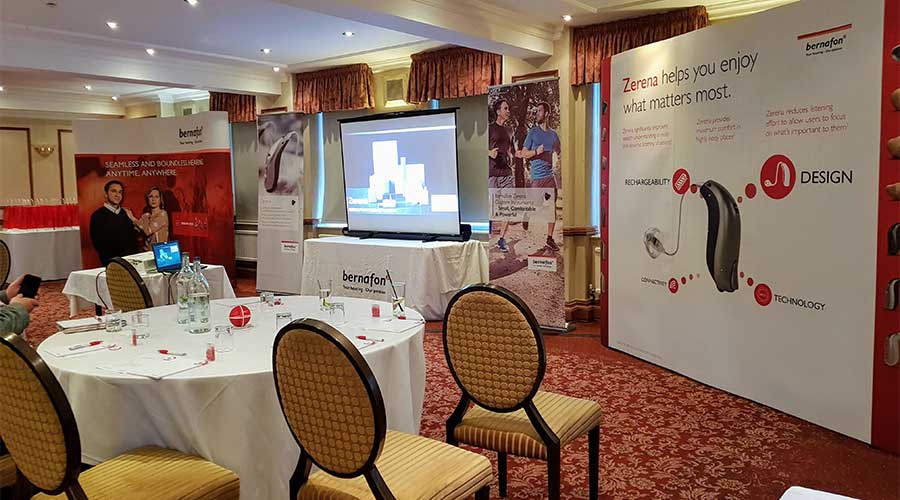
With the introduction of the Zerena 3 and Zerena 1 hearing aids from Bernafon, it is now possible to purchase Bluetooth hearing aids on a budget. Bernafon has billed the new additions to the Zerena platform as budget options, but what does that mean and what can you expect from them? Let’s take a closer look at what you can expect and what features are on offer.
The Zerena 3 and 1 hearing devices were introduced as part of a Budget range of Zerena hearing aids in 2018. While they are not quite as advanced as the higher levels of Zerena hearing devices, Bernafon has ensured that they are still pretty solid hearing aids.
Bluetooth Hearing Aids
Even though the Zerena 3 and 1 platforms are Budget hearing aids, they still use that super-fast and powerful chip that is inside the higher levels. That means that just like the rest of the Zerena range you can enjoy direct audio streaming from your iPhone straight to your ears. It also means that you can use the SoundClip-A remote microphone and streamer and the TV-A streamer. They offer huge benefits with direct streaming to the hearing aids for different situations.
Automatic Hearing Aids
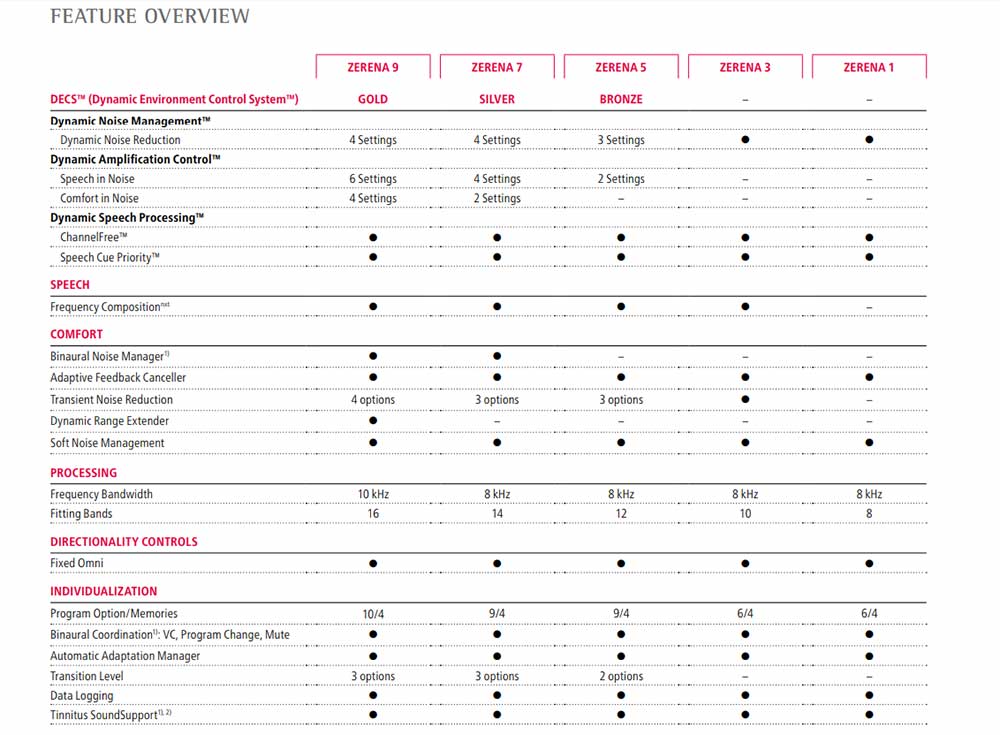
The Zerena 3 and 1 hearing aids are fully automatic and dynamically change to reflect the sound environment. Neither the Zerena 3 or 1 range uses the brand new Dynamic Environment Control System™ or DECS™. However, they do both use elements of the new system.
Premium features
Both the Zerena 3 and 1 use Dynamic Directionality, in both ranges, it is set to low focus and both have Dynamic Noise Reduction but there are no changeable settings. While the Zerena 3 has the Transient Noise Reduction feature which handles sudden impact sounds, the Zerena 1 does not. Basically, that means that the Zerena 3 range has a strategy to handle sudden impact sounds and the Zerena 1 range does not.
Both the Zerena 3 and 1 range offer an 8 kHz Frequency Bandwidth, and while the Zerena 3 range provides 10 Fitting Bands, the 1 offers just 8. That means that the 3 can be better customised to your hearing loss as you would expect.
The Zerena 3 range has the Bernafon Frequency Composition nxt feature, while the Zerena 1 range does not. The frequency composition feature allows you to hear high-frequency sound information at lower-frequency regions even if you cannot process the high-frequency information.
Tinnitus SoundSupport
Both the Zerena 3 and 1 ranges offer amplification and tinnitus relief together in one solution.
Zerena Budget Models
The Zerena 3 and 1 range are available in the full range of hearing aid types, two Receiver In The Ear (RITE) models, one of which has a rechargeable option. A Behind The Ear (BTE) Model and finally five custom or In The Ear models (ITE). All of the hearing aids in the range except the two smallest, the Completely In Canal (CIC) and the Invisible In Canal (IIC or Invisible hearing aid) are direct connection Bluetooth enabled hearing aids.
A Strong Budget Offer
All in all, the Zerena Budget ranges add up to a very strong budget offer. Where else could you purchase a Bluetooth hearing aid in any model type you wished at a bargain price? While the feature sets are reduced, they are pretty solid. The Zerena 1 range is very basic, but when combined with a SoundClip-A or the TV streamer it offers the ability to hear in many of the situations that people find difficult.
The Zerena 3 range is quite a robust offering, and I would expect it to help you in some noisy situations, of course, you would also have to use coping mechanisms to get the best effect. However, if you combined it with the SoundClip-A, I think you would be surprised by how well you could hear your companion.
Phonak Marvel 30 Hearing Aids
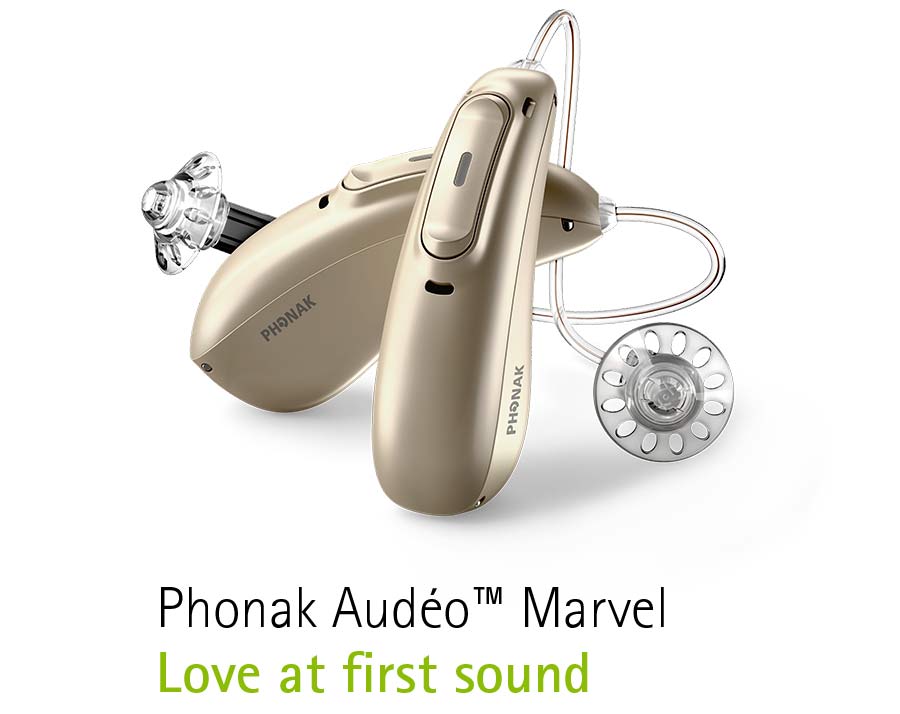
Phonak has just introduced a brand new range of Bluetooth enabled hearing aids called the Marvel. The entire range will connect directly to any Bluetooth enabled device, that means a phone, a TV even a computer. The devices fall under the Sonova concept of Made For Any Phone. That means they don’t fall into the traditional concept of Made For iPhone or even Made For Android. But that doesn’t mean they won’t work with both!
Unique Bluetooth Hearing Aids
Because the Marvel uses a very unique Bluetooth protocol the Marvel range will allow you to stream audio and phone calls from any Bluetooth enabled mobile phone whether that be a Smartphone or not. Phonak have also brought the new range out in their typical four levels of technology. That means there is a Marvel 30 range, which means there will eventually be a full line of models at the entry or budget level device with outstanding connectivity.
Automatic Hearing Aids
Phonak Marvel hearing aids use AutoSense OS 3.0, which is Phonak’s latest hearing aid management system. In essence, the system blends and merges the features of the hearing aid to give you the best hearing possible within the sound environment you are in. At the thirty level of technology, the system only uses four presets, they are calm situation and speech in noise and the new streaming programmes streamed speech and streamed music.
However, they do offer three extra slots that can be filled from a pick of five additional programmes. They are Speech in noise, calm situation, comfort in noise, music, acoustic phone and finally a custom programme. That is a decent selection at this level of technology. It may be industry leading; I will get back to you on that.
Strong Feature Set
The Marvel 30 range has quite a strong feature set as well. It offers Phonak’s latest frequency compression system, SoundRecover 2. The frequency compression feature allows you to hear high-frequency sound information at lower-frequency regions even if you cannot process the high-frequency information. The devices also have WhistleBlock which suppresses feedback (nasty whistling), NoiseBlock which helps to turn down the background noise and QuickSync which keeps everything synced between the two hearing aids. They only offer 8 fitting bands, which means the customisation of the hearing aids to your loss should be pretty solid.
Tinnitus Balance
The Marvel 30 range will come with the Phonak tinnitus support feature called Tinnitus Balance. Because it is stereo streaming enabled, it will also allow you to design your own tinnitus sound therapy playlist to stream to the aids from your phone.
Marvel Hearing Aids Budget Models
Right now, the Marvel is only available in two Receiver In Canal hearing aid type, a lithium-ion powered rechargeable device and a traditionally powered device. However, this is pretty typical of Phonak introductions to the market, and we would expect them to introduce BTEs and custom hearing aids over the next 12 to 16 months. When they do, it will mean that you will have a full range of budget Marvel Bluetooth hearing aid types to choose from.
A Strong Budget Offer
The Phonak Marvel 30 hearing aids are an exceedingly strong budget offering. The devices have already been well received across the industry and a lot of people are really excited about them. You will need to consider battery life though, as with all Bluetooth hearing aids, these will be power hungry. They aren’t quite in the marketplace long enough to get a clear idea of how hungry.
You need to balance that up with functionality if the hearing aids deliver everything that you need but demand new batteries every three to four days, how bad would that truly be?
The Oticon Siya
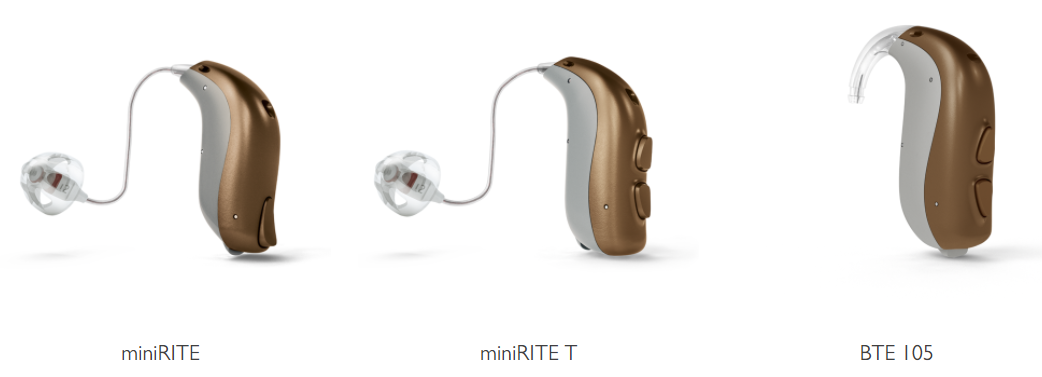
The Oticon Siya is a family of hearing aids that were introduced in 2018 that fall within what Oticon call the essentials level of technology. The family includes a full range of typical Oticon models at two technology levels. The hearing aid models include the Siya miniRITE (comes in a rechargeable version), the Siya BTE, the Siya BTE13 PP, the Siya miniRITE-T and finally five custom or In The Ear models (ITE). All of the hearing aids in the range except the two smallest, the Completely In Canal (CIC) and the Invisible In Canal (IIC or Invisible hearing aid) are direct connection Bluetooth enabled hearing aids.
What Oticon Says
Oticon makes some pretty strong claims for the Siya, here is what they say:
Category-leading performance
50 times faster data processing than ever before
Category-leading resolution with 48 frequency channels
Directionality in 15 independent frequency bands for high precision
Super-fast noise reduction features
2.4 GHz Bluetooth® low energy for advanced connectivity
Two Technology Levels
As I said, there are two technology levels which include the Siya 1 and the Siya 2. The beauty of the Siya range is that they are built upon the same groundbreaking chipset that the Opn is built upon. In everything but the directionality protocol, the Siya range is basically cheaper Opns. Having said that, I need to be very clear here, one of the stand-out features of the Opn is that very special directionality strategy.
Bluetooth Hearing Aids
Even though the Siya 1 and 2 ranges are Budget hearing aids, they still use that super-fast and powerful Velox chip that is inside the Opn. That means that just like the Oticon Opn range you can enjoy direct audio streaming from your iPhone straight to your ears. It also means that you can use the Connect Clip remote microphone and streamer and Oticon’s TV streamer. They offer huge benefits with direct streaming to the hearing aids for different situations.
Premium features
Both the Siya ranges offer Multiband Adaptive Directionality, it isn’t the famous Opn directionality strategy but it is the base strategy that every other manufacturer is using. Both of the Siya range offer Dynamic Noise Reduction but there are no changeable settings. The Siya 1 range has the Transient Noise Reduction feature which handles sudden impact sounds, the Siya 2 does not. Basically, that means that the Siya 1 range has a strategy to handle sudden impact sounds and the Siya 2 range does not.
Both of the Siya ranges offer an 8 kHz Frequency Bandwidth, and while the Siya 1 range provides 10 Fitting Bands, the 2 offers just 8. That means that the 1 can be better customised to your hearing loss as you would expect.
Both of the Siya ranges offer the Oticon Frequency Composition feature. The frequency composition feature allows you to hear high-frequency sound information at lower-frequency regions even if you cannot process the high-frequency information.
Tinnitus SoundSupport
Both of the Siya ranges offer amplification and tinnitus relief together in one solution.
A Strong Budget Offer
All in all, the Siya ranges add up to a very strong budget offer. You will get a Bluetooth hearing aid in any model type you wish at a bargain price. While the feature sets are reduced in comparison to the Opn hearing aids, they are pretty solid. When combined with a Connect Clip or the TV streamer it offers the ability to hear in many of the situations that people find difficult.
Receiver In Canal hearing aids or RICs have proven to be exceptionally popular with hearing care professionals and the public alike. They are exceptionally versatile hearing aids that offer power, functionality and discretion. Generally, RICs are fitted with instant fit silicone tips of varying sizes and shapes. They are usually only fitted with custom tips when the hearing loss really calls for it. However, if you are investing in a set of RICs, it might be a good idea to consider getting custom tips made for them. Let’s take a look at why a custom tip may be a better option.
Generic Silicone Tips
Firstly, generic silicone tips are generally fine and if you have some on your devices and are having no problems, well then don’t panic and run out to get custom tips. Having said that, let’s look at the reasons why I feel custom tips serve people better.
Custom Tips For RICs
Firstly, custom tips are manufactured from a mould of your ear canal, usually in hard acrylic although you can get them in silicone if needed. That means that they are custom made to fit your canal perfectly. When done correctly, they are very comfortable, fit perfectly and deliver outstanding retention (they stay in the ear where they are supposed to).
That really is the key for me, the retention in the ear canal. That means that the tip does not slip out, it means that the position of the tip shouldn’t change. That is important for sound quality. The issue with generic tips that I see is that they move out during the day for many people which means the sound quality deteriorates. It also means that the calibration data and validation data gleaned during the fitting goes out the window. That means that the hearing aids aren’t necessarily working their best as designed. Let me explain that.
The Fitting & Validation
During the fitting process, we push the RIC tips into your ears and calibrate the feedback system and amplification system in some hearing aids by assessing the sound leakage from your ear canals. Those parameters are important because they are parameters that the hearing aid bases everything on.
Further to that, when we validate the fitting through Real Ear Measurements or Speech Mapping, we put in our probe tips and push the RIC tips into your ears before ensuring that the hearing aids are indeed hitting the targets. Again, this based on the position of the receivers in your ears.
Unfortunately, in my personal experience, most generic instant fit tips will change position during the day, especially on my left ear. Therefore undermining the parameters that have been set and changing the calculations. Is it a big change though? I don’t know, and I doubt if anyone does for sure.
I certainly can’t ever remember seeing a study on it. I do know it is a change, I also know that my hearing aids sound better when they are fully pushed into my ear, and for me, that is enough to consider custom tips.
Custom tips should not change position in the ear canal, that means I can be confident that the parameters set through calibration and speech mapping shouldn’t change. It just means that I feel more confident that the hearing aids will be performing as they should be, exactly the same as they were when I fitted them.
Occlusion With Custom Tips
I had a fantastic question from a reader and realised I should have addressed it. Occlusion is a problem that occurs when the ears are closed up. Basically, you feel stuffed up and it is unpleasant. They asked would custom tips cause occlusion? The answer is probably not. Let me explain.
Open Fitting
Even if you are suitable for only an open fitting, custom tips can be made for you with the open effect. In essence, these are hollow moulds that the receiver (speaker) clip into. They give you the benefits of a more custom fitting without occluding your ear. Depending on how good your low-frequency hearing is, you might be suitable for these types of custom tip, or, you may be suitable for a solid custom tip with a vent in it.
The vent is to allow low-frequency sound pressure to escape from your ear canal. Occlusion is only a phenomenon when you have good low-frequency hearing. If your low-frequency hearing is worst than 40 dB, generally you shouldn’t suffer from occlusion.
If you like what you see, share it so others can benefit
The new custom Made For iPhone hearing aids from Bernafon will be available from November 1st, and they look pretty good. Bernafon will be one of only three hearing aid brands to offer a direct connection to iPhones once the devices are launched. Both Oticon and Bernafon are renowned for their custom hearing aids, but because of the delayed introduction of the Zerena customs, they have fallen slightly out of favour. I think that the new launch of these devices will change things. That wasn’t the only news; they are also introducing two new technology levels at the value range. Let’s talk about what’s going on with Bernafon.
Two New Technology Levels
Bernafon is introducing two new levels to the Zerena that they say will fall within the value offering. The new technology levels are called the Zerena 1 and the Zerena 3 range. The new customs will be available in those new technology levels as well, which will mean custom Made For iPhone hearing aids in the value price proposition which is probably a bit of a first.
I can’t really think of anyone else who is offering any direct connection Made For iPhone hearing aids at the type of price I would expect these to be sold at. There certainly is no brand offering custom Made For iPhone hearing aids at this price point. The basic Zerena 1 is a basic device, but with the addition of the TV streamer or the Soundclip-A you will get a lot of hearing aid functionality quite cheaply.
Powerful Customs
We have spoken already about the custom devices that are being introduced but we found out a bit more about power levels and options. The IIC and CIC will have access to a 75 and an 85 receiver which basically means that they will cover moderate to severe hearing losses. The size of speaker will be dependent on the space in the ear canal. However, Bernafons says that the new components are smaller than ever and should allow the IIC and CIC to physically fit far more people than ever.
The rest of the custom range has access to four levels of receiver, the 75 and 85 as well as a 90 and a 100. This should allow these devices to be fit for people who have severe to profound hearing losses.
Upgraded Easy Control App
Bernafon has upgraded their app on both iOS (iPhone) and Android. The new app is a little more functional than it originally was. It still doesn’t match up to some of the other brand’s apps, but it does all of the basics.
Early November Launch
The devices and the new tech levels will be available to order from Bernafon in early November, so people should be able to give them a try pretty soon. If we hear any more, we will keep you updated.
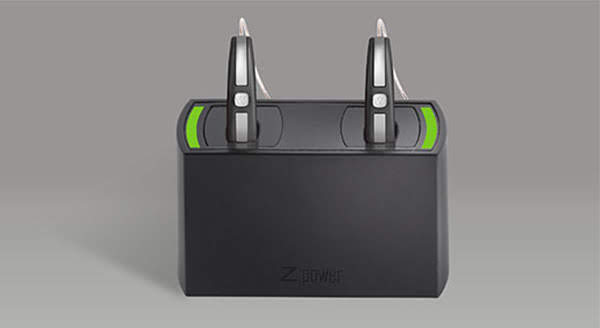
ZPower has announced a charger firmware upgrade tool that will bring the latest firmware to your ZPower charger. ZPower systems are used in many of the rechargeable hearing aids from the big brands such as Widex, Oticon, Starkey, Bernafon and Unitron. While the upgrade may not be compatible with all of the systems, Widex, Resound and Unitron are ensuring that all hearing health professionals upgrade their systems during follow up appointments.
If you have Widex, Resound or Unitron rechargeable hearing aids, you definitely need this done. Not sure about the other brands but it probably can’t hurt taking a look or asking your professional.
The survey reports that the average price paid for a single hearing aid was $2372. Purchasing hearing aids as a pair reduced the cost slightly from an average unit price of $2560 (purchased as a single unit) down to $2,336 (bought as a pair).
Hearing aids purchased Average price paid Single hearing aid $2,560 per device Pair of hearing aids $2,336 per device
Price by technology level purchased
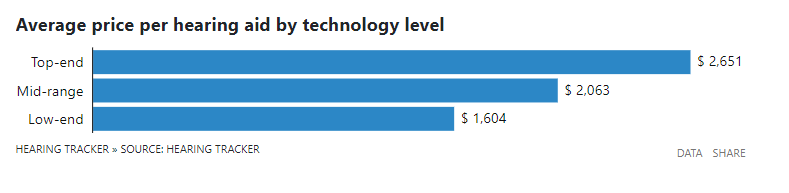
Higher-end hearing aids came in at an average price of $2,651 per device, and low-end hearing aids came in at about $1000 less, at $1,604 per device. Mid-range hearing aids came in at $2,063 per device.
Price by place of purchase
Interestingly enough, where people bought their hearing aids did not seem to affect hearing aid prices. Whether purchased from a name brand store (Miracle-Ear, Beltone, Etc), ENT office, or audiologist clinic, the average price paid was just over $2500. Prices at university and hospital clinics were slightly lower at $2432, and the average price paid at Costco was substantially lower, coming in at just over $1200. Interestingly, internet purchases came in only slightly lower than Costco at $1054 per hearing aid.
Hearing aids purchased on the internet either came with no in-person professional service or with limited in-person professional service. Internet purchases that included a professional fitting averaged $1533 while hearing aids bought without any professional fitting averaged $704 (Audicus, eBay, Amazon).
Over 2000 respondents
The survey results are based on pretty comprehensive data. Through their combined efforts, they were able to encourage over 2000 people to respond to the survey from people across every US state. There was also a pretty good spread of demographics as well.
They say that they received about 10% more of their responses from women, and over half of their answers from hearing aid users in the 55-74 age range. Those are ideal numbers if you are trying to understand anything about hearing aid use in the general population. The breakdown of age groups was as follows:
Age Group Percent
75 or older 24.5%
55 to 74 53.1%
35 to 54 13.7%%
18 to 34 4.0%
Under 18 3.0%
They also wanted to get a clear idea of the income and employment status of the group to ensure they were getting a decent cross sample of people. The reported pre-tax household income for their sample lined up well with US national averages. The employment status reflected the fact that the sample included an ageing cohort with many retired people in the group.
Pre-tax household income Percent
$150k+ 10.6%
$100 – $149k 13.4%
$50 – $99k 26%
$25k – $49k 15.5%
Under $25k 6.2%
Current employment status Percent
Retired 51.7%
Employed or homemaker 29.7%
Self-employed 8.0%
Student 3.4%
Out of work or looking 1.7%
Unable to work 2.1%
The sample also had a diverse hearing loss profile, running from mild at worst to profound at worst. The largest sample group classified themselves within the severe at worst category with the second largest group classing themselves at moderate at worst.
History of hearing aid use
Their sample had a lot of experienced hearing aid users. 67% of respondents having at least six years or more experience. We could reasonably extrapolate that perhaps 50% of the sample have probably purchased hearing aids twice.
Years of hearing aid use Percent
15+ years 40.6%
10-15 years 11.8%
6-10 years 14.4%
4-6 years 11.1%
2-4 years 8.1%
1-2 years 6.4%
Under 1 year 7.2%
Hearing aid purchase trends To understand the overall patterns within hearing aid purchases, they asked the respondents the following questions
How many hearing aids they purchased (one or two)
What brand and model of hearing aids they bought
What level of technology they purchased
What features their hearing aids came with
The answer to the questions was enlightening. The majority purchased a pair (84%) of hearing aids.
Number of hearing aids purchased Percent of respondents
Pair 84.0% Single 16.0%
The answers to the brand question showed some interesting results. Phonak was the most popular hearing aid brand followed by Oticon, ReSound, Widex, and Starkey. Interestingly enough, Kirkland Signature (Costco’s white-label brand) came in just below the major brands.
What brand of hearing aid(s) did you purchase? % of Responses
Phonak 25.00%
Oticon 18.60%
ReSound 14.10%
Widex 8.50%
Starkey 7.90%
Siemens 4.60%
KS (Costco) 3.40%
Rexton 2.80%
Signia 1.80%
Beltone 1.70%
Unitron 1.70%
Miracle-Ear 1.50%
Bernafon 0.80%
AGX 0.60%
When it came to the technology question, the majority (54%) reported buying top-end hearing aids, about a third reported purchasing mid-range, and less than four per cent said that they purchased low-end.
What level of technology did you buy? % of Responses
Top-end 54.10%
Mid-range 34.30%
Low-end 3.70%
Not sure 7.90%
That is an interesting spread of technology levels and I wonder myself is it representative of the wider purchases in the US. Abram has just started crunching all the data and you can expect even more interesting insights from him soon.
In my last article, I discussed my experience with the fitting of the Phonak Lyric hearing aids and my early observations of the devices. In this article, I would like to discuss my day to day experience of the sound of the hearing aids and how I got on with them. I would also like to talk a little about the Lyric devices, they really are unique in the hearing aid world and almost a contradiction. They are based on old technology that has been manipulated in a truly innovative way. In a world devoted to new tech and ever growing features, they are extraordinary because they are old tech and have no features. Yet, having said all of that, they damn well work, in fact, they damn well work pretty well. Let’s talk about the Phonak Lyric.
Old Technology
The Phonak Lyric is an analogue based hearing aid that delivers linear gain. The output of the devices is controlled by the programming and is based on output compression. The devices are basically featureless, no noise reduction, no feedback management, no impact noise management, nothing. Just amplification and output compression. You really can’t get more simple than that. In fact, if you told me that you were introducing a brand new hearing aid with that outline, I would happily tell you that you were quite mad and they weren’t going to work.
Not Only Do They Work, They Work Well
Hey, what do I know, not only do these things work, they work exceptionally well. Once placed and turned on, they deliver a sound that honestly feels or sounds like normal. I mean my first impression was woah, this is pretty cool. As I said in the last article, Dave, who is a master Jedi grade of the fitting of the device, sounded just like Dave, except clearer. When speaking to Dave he had said that many of the people who wear the device speak about hearing like normal, I now understood exactly what they meant.
Hey, all hearing aids sound good in the clinic room, the real test is when you are out and about in the real world. I honestly thought that with the lack of features, they probably wouldn’t stand up well in noisy environments and general day to day situations. Again, I was wrong, this being wrong business is getting a little irksome.
A Damned Stone Grinder
I and Dave were standing at the back of the clinic having a chat, basically allowing me to get a clearer idea of whether I was going to cope with the devices in my ear canals. As we spoke, it became obvious that I was going to be okay with the devices, I had no major bunged up feeling and I didn’t seem to be in any danger of trying to pull my ears off with frustration. As I said, even the sense of the devices being present had begun to fade already.
Then, someone in the car park began to cut granite coppice stones with a grinder. When they began, I was facing Dave and the grinder in the near distance, it got really hard to understand what Dave was saying. So I moved us around so that my back was to the Grinder noise with Dave facing me, It got much easier to hear him speak.
This is pretty fascinating for two reasons, firstly, anyone with an analogue hearing aid will tell you that they probably wouldn’t be able to hear anything but the grinder. Secondly, the effect of turning my back to the noise brought the natural directionality feature of my ears into play and it made a real difference.
Placement and Analogue?
Like I said, these aids shouldn’t really work, but they do, I wondered was this a function of analogue and placement. Analogue sound is basically how we hear naturally, the placement of the Lyric deep in the canal allows all of our natural abilities to come into play. Is that the answer, is that why these hearing aids work so well? I don’t know, I can only guess that it may well be at least part of it. The one thing I can tell you is that they do work well.
Pretty Damn Good
My day to day experiences of these hearing aids was excellent. I heard exceptionally well in all of the situations that I found myself in. I ensured that I spent a lot of time moving from different sound environment to sound environment and pretty much tried out everything. In noisy situations I found that I heard pretty well, I also noticed that turning my back to the noise made a real difference.
Music sounded excellent, it was easy to speak on the phone and sleeping and taking a shower with the hearing aids in was a real experience. From time to time, I suffered from a little occlusion, but nothing I couldn’t handle. As I said in the first article, I really am not a candidate for these aids, but nevertheless, I got on well.
Real Appeal
These hearing aids have real appeal, I mean they get put in and you just get on with it. No taking them out or putting them in, no worrying about the batteries. No real constraints, I mean hearing aids don’t constrain you, but you have to think about them. By that I mean when you are going for a shower, they have to come out. If you play sport, you need to think about protecting them, or taking them out.
With the Lyric, you just get on with your life, never having to think about them. In fact, I can honestly see how people would just forget about them until they needed to be replaced. Like I said, I can really see the appeal of these devices.
A Subscription Model
The Lyric is provided under a subscription model, which basically means that you pay for a new one or a new set, every three months or so. I don’t know the exact cost, but they are relatively costly by all accounts. In a year, the subscription I believe might be as much as a basic set of hearing aids may cost you. So even if you are suitable for these hearing aids, your budget might not be.
In finishing, these are really good hearing aids that have a lot to offer. If you want a set of hearing aids that you can wear and forget, well then nothing beats these. If that is important to you, if hearing better with no fuss or constraints is really what you want, well then the Lyric hearing aid is worth your attention. Finally, if you are looking for the Phonak Lyric in Dublin, you could do a lot worse than go to see these people.
Finally, Another Hearing Aid Brand With Made For iPhone Custom Hearing Aids
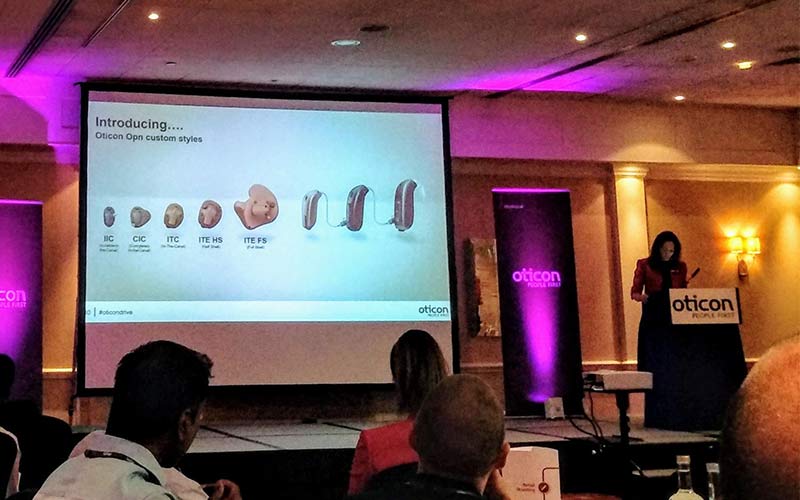
I have been speaking at some events for Oticon this week, if you have been trying to email me I apologise, email has been spotty at best. Anyway, back to Oticon, during the conferences they announced that they are going to launch the Opn customs in quarter four this year and the majority of them will be direct streaming (Made For iPhone). They will be only the second hearing aid brand with Made For iPhone custom hearing aids.
Details Are Tight
So, they are keeping the details tight at this stage, but we received a pretty good heads up of what will be available. The Opn customs will be available from full shell all the way down to invisible in the canal. However, they will not all be Made For iPhone which is pretty much in line with what is on offer from the only other brand in this market sector. The line up is as follows:
ITE Full Shell (Made For iPhone)
ITE Half Shell (Made For iPhone)
ITC In The Canal (Made For iPhone)
CIC Completely In Canal (Not Made For iPhone but is wireless)
IIC Invisible In Canal (Not Made For iPhone, not wireless)
An invisible hearing aid that will fit eight out of ten people!
An Even Smaller Invisible Hearing Aid
Another striking bit of news is that Oticon has managed to make their IIC even smaller than ever. It means that they are now confident to say that their IIC will physically fit the ears of eight out of ten people. That’s a strong claim but Oticon are happy to make it. The device is not wireless, but what do you want from such a small hearing aid?
The excitement around Made For Android hearing aids has heated up with the recent announcement that Resound and Google have agreed to a partnership to deliver the protocol to allow direct connection between hearing aids and Android phones. I was in Resound headquarters in Denmark last week and discussed the deal and the expected availability of the feature with a chap from the R&D department. The protocol should be ready for release in mid-2019, but there are other things you need to know, let’s talk Made For Android Hearing Aids.
Quattro Made For iPhone, Made For Android Hearing Aid
As I said, the Linx Quattro will be the first-ever Made For Android hearing aid on the market. When the protocol is released on Android, the Linx Quattro will be enabled with a direct connection to Android phones. That means direct streaming, without any intermediary accessory, a first for Android phones.
Definitely On Pixel Phones First
The protocol will only be available on Pixel phones initially and probably only on the Pixel 3. It appears that there is a specific hardware need and older devices don’t stack up. While the protocol will be available as an Android update to other phone manufacturers such as Samsung etc, it is unclear how long it will take them to offer it, or whether their hardware is capable.
Probably Need a New Phone
I would imagine that to take advantage of the feature you will probably have to purchase an up to date phone. However, as we get nearer to the release and phone manufacturers start to update their own phones we will keep you up to date on compatibility. In fairness, it is a good excuse to buy a new model.
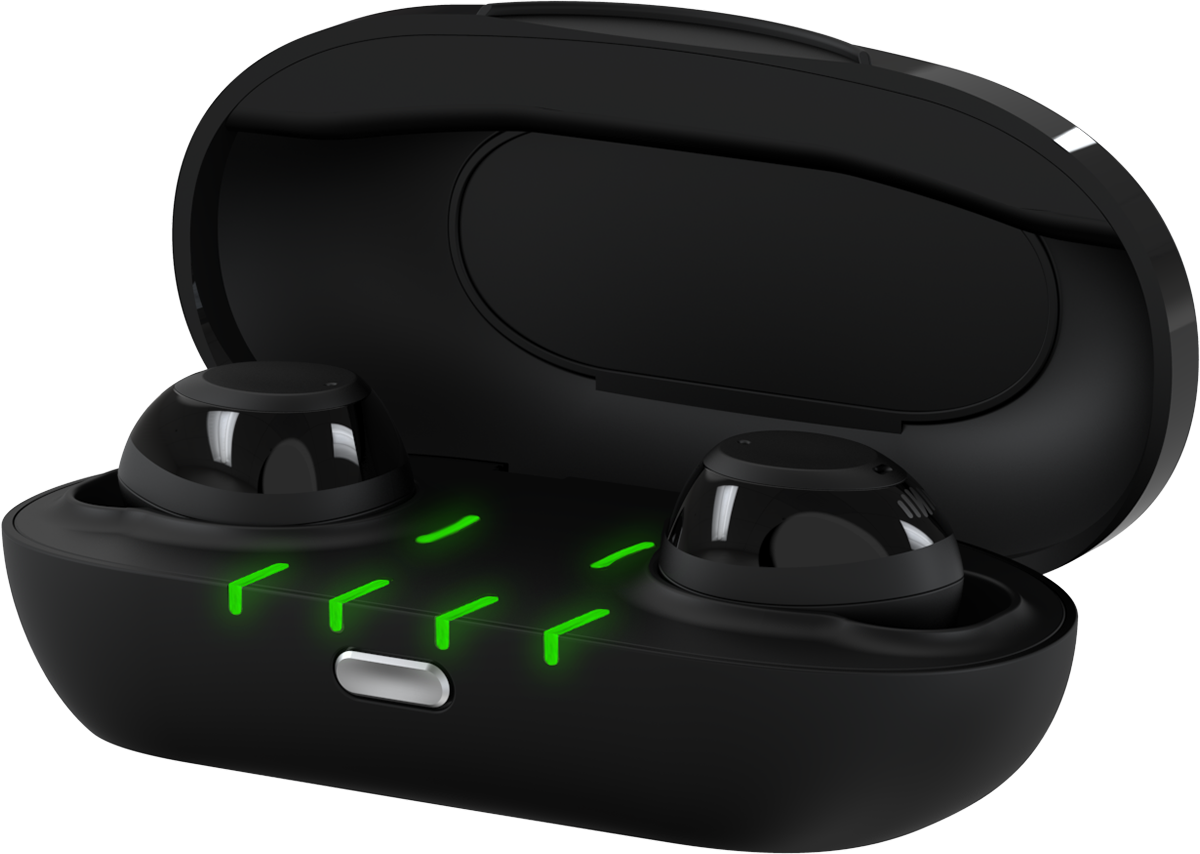
Nuheara recently announced the release of a new feature called Focus, which is the latest upgrade for their IQbuds BOOST™. The IQbuds are probably one of the most successful Hearables so far. Focus, pretty smart name, is a software update that allows the devices to take full advantage of their two microphones. In essence, NuHeara just gave all IQbuds Boost users a new directional microphone feature. The lines between hearables and hearing aids really are beginning to blur, let’s talk about the IQbuds Boost.
II reviewed the IQbuds Boost on Hearing Aid Know a while ago and I found them to be really cool devices. I said at the time that they were situational devices as opposed to something that you would wear all the time. The new feature doesn’t change that, but it makes them even better situational devices.
NuHeara says that the new feature uses “audio beamforming” technology to isolate and enhance sounds directly in front of the BOOST user. This is in essence, a directional microphone feature that ensures the audio to the front is clearer or more emphasised than the audio from the back. I think that NuHeara is the first ever Hearable company to use directional microphone features in their set up.
The ideal use for the feature is when you are in noisy surroundings, turning on the feature focuses the devices to the front and attenuates the sound to the rear giving you a better opportunity to hear speech clearly. NuHeara hopes that the feature will give you even greater conversation clarity in noisy environments.
My experience of it so far has been pretty good, there is a noticeable drop in the background noise when you turn the feature on. However, like any directionality feature, the efficacy of it is best when you make sure that your back is to the noise.
NuHeara seems to be determined to blur the lines with their devices, I look forward to seeing what they come up with next.