The end of 2018 was fascinating in the hearing aid world. The LiNX Quattro release by Resound was closely followed by the Audeo Marvel release by Phonak. On top of that, Starkey pushed out their fall detection feature to some Livio users. Going into the first quarter of 2019 I think there will be clear favourites in the minds of most professionals and consumers alike. I also think that 2019 will be a bumper year for new introductions by a few of the brands. Let’s talk about the stand out favourites for 2019, the platforms that are available and finally who I think will introduce new stuff. It’s all crystal ball stuff though I warn you, crystal ball and educated guesses.
Resound LiNX Quattro
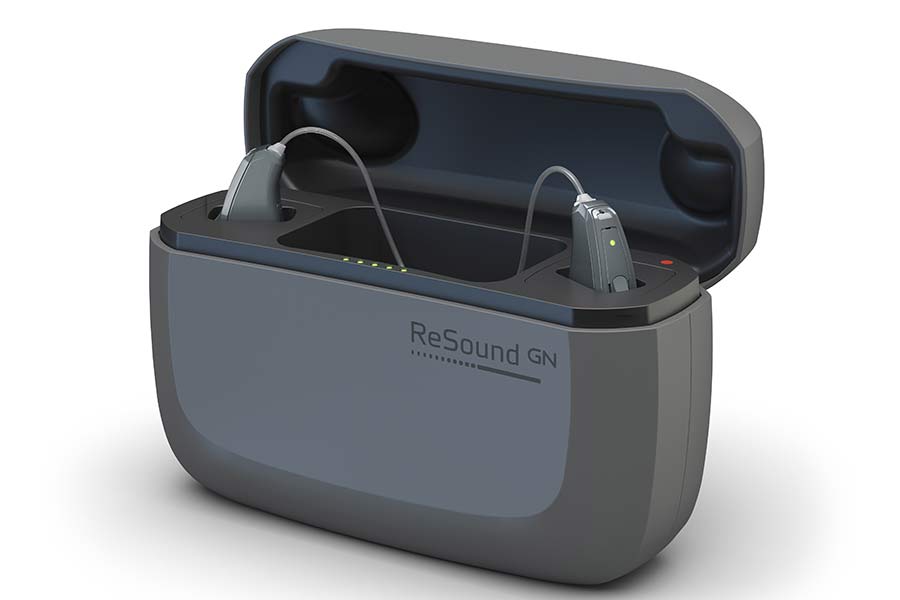
I think the Quattro will be a big contender in 2019, it is the aid with pretty much everything, except better. Outstanding battery life, fantastic iPhone connection and hopefully Android connection soon, good looks and outstanding sound. Kind of what’s not to love? As you may know, I have tried the Quattro 9 devices and have been exceptionally impressed with them as has Steve.
For me, what really sets the Quattro apart, is the pretty amazing battery life delivered. Resound has delivered a lithium-ion powered rechargeable device that provides over thirty hours of use. That’s amazing. The charger case concept is also excellent, several days of extra power in your carrying case! The hearing aids have already proven very popular and judging by the traffic we get to Quattro pages on the site, they will continue to be into 2019.
It will be interesting to see what Resound do next with the Quattro. Going on historical precedent (The original LiNX) we may expect a Quattro take 2 shortly that is a full line up of models. I think that would please many people. I would also half expect to see an Enzo Quattro in the near future. At the moment and for at least the near future, if you want a Resound BTE or ITE, you need to fall back on the LiNX 3D range.
Phonak Audeo Marvel
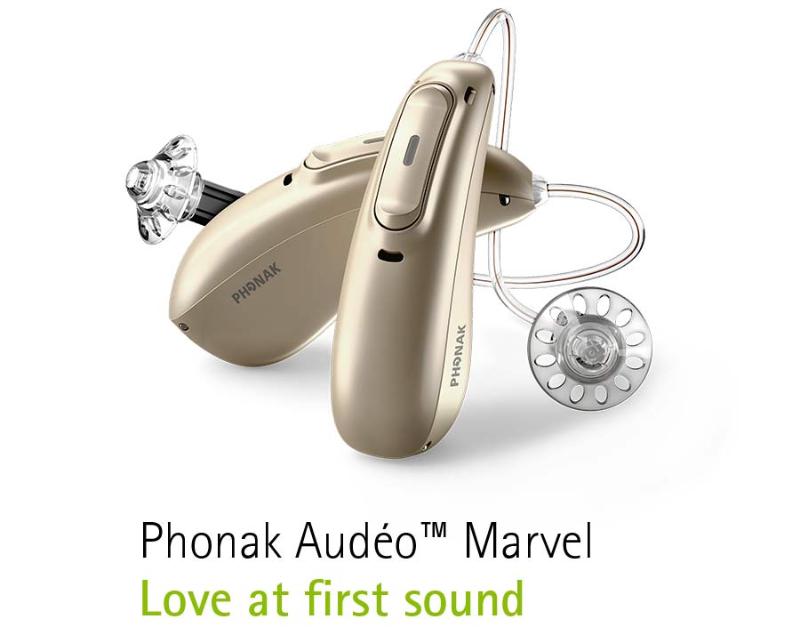
The Audeo Marvel is going to be seriously popular in 2019 and there are good reasons why. The hearing aids and the associated features have really caught the imagination of the buying public and the hearing care profession. Although with simple and easy connection to any Bluetooth enabled audio device, it’s easy to see why. I have tried them myself and I see the value of the devices. Phonak have really extended the launch of these devices, more so than ever before. The full Audeo range isn’t really expected to be released until late 2019. That is fascinating, They often stagger the release of a platform, I can’t ever remember them staggering the release of a model line up.
I still expect them to introduce the Bolero late next year, going on the Audeo launch, perhaps that will be staggered as well. While I think the Audeo Marvel will do well, it won’t be the king of aids that it might have been because of the limited model types. If you want a Phonak BTE or In The Ear device you will have to fall back on the Belong, or wait.
Starkey Livio AI
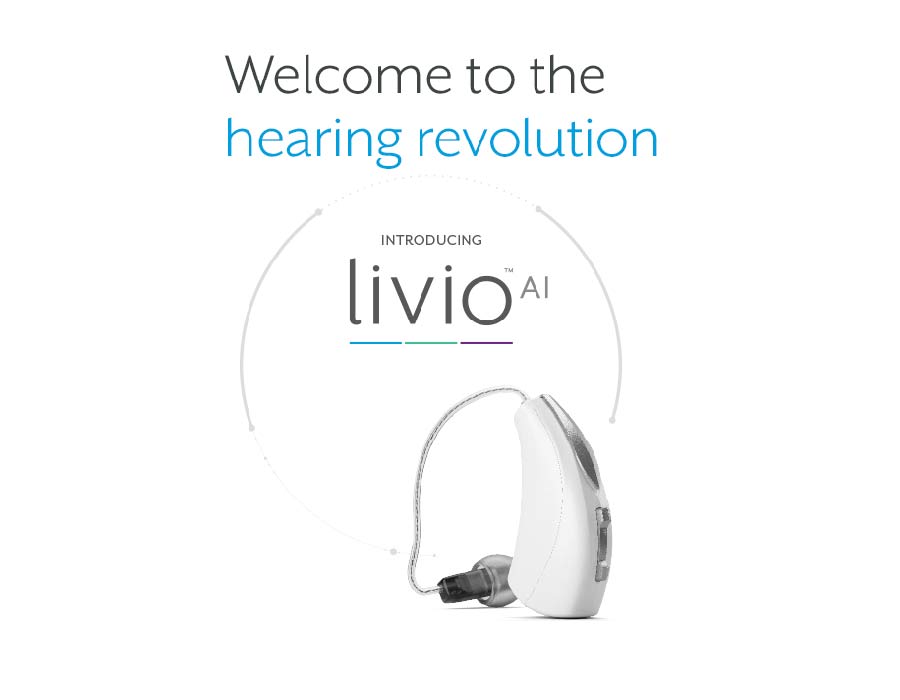
Starkey is finally introducing the Livio AI to a wider audience this year. For me, this is probably a standout hearing aid because of the new functionality concept that Starkey is bringing to hearing aids. The Livio AI was already a very different hearing aid from anything else before they made their announcement at CES 2019. Now the Livio AI represents a completely new use case for hearing aids. In fact, it probably represents a completely new type of device concept.
Driving A New Concept
Starkey is at the forefront of driving the change of use case for hearing aids. As I said, this is really a new device concept, yes it is a hearing aid, but it offers far more than just that. It also focuses on overall health and wellbeing. Starkey is introducing capabilities and features that move the Livio AI towards an integrated health device concept. Here are the features including the new ones.
Translation in 27 languages
Amazon® Alexa connectivity
Rechargeable option – NEW
Fall Detection and Alerts – NEW
Heart Rate Measurement – NEW
Voice-to-text Transcription – NEW
Natural user interface with tap control
Self Check for hearing performance – NEW
Thrive Virtual Assistant, built on Google Assistant – NEW
So that’s the three big contenders so far for 2019, let’s get into the predictions. In no discernible order:
Oticon
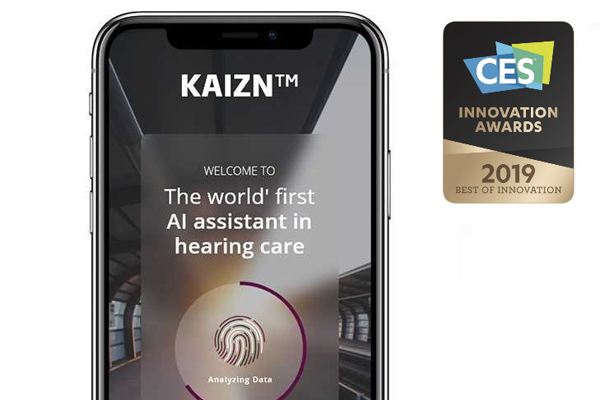
Oticon will deliver a new platform in 2019, the Opn has been an outstanding success but it is pretty old now. In fairness, Oticon surged ahead with the Opn, but the others are catching up. I still think it is one of the best hearing aids around though. I would also expect them to push their remote care system this year. With the introduction of the Kaizn app, Oticon has invested in machine learning. It will be interesting to see how they leverage that in the marketplace and what they do with the data.
Unitron
I would expect Unitron to deliver their own version of the Marvel this year. Normally they aren’t far behind Phonak with their tech, some would say in front sometimes. The Tempus platform has been a success for them but again, they need to shake things up to stay relevant. I would also expect them to deliver a remote care system. In fact, considering Unitron’s commitment to its users, it is almost glaring by its omission.
Signia
Signia is just off the back of a very successful launch of their Nx platform, however, I don’t expect them to be quiet in 2019. I would expect a launch from them, but I think it will be a model type, rather than a new platform. Could be wrong though, Signia is one of the hungriest in the market and they don’t work by the usual strictures of the industry, so anything is possible, if not probable.
Widex
I think 2019 will be the year that Widex finally launch their much-vaunted fuel cell device. It will be interesting to see what the market makes of it. It will also be interesting to see what type of feature set it has and exactly what market it is aimed at. Their current platform is the recently launched Evoke which is a pretty impressive platform. The machine learning feature is unique, or at least was unique until Oticon introduced their Kaizn app.
Remote Care
I think 2019 will be the year of remote care, nearly all of the major brands have introduced remote care systems and I see consumers being attracted by the benefits.
Lithium-ion Rechargeables
I also think 2019 will see the introduction of more lithium-ion rechargeable hearing devices by more brands. The Z-Power system was a fantastic idea but has proven problematic out in the world. Mores the pity really, but I expect most of the brands to switch to lithium-ion as a result.
Sensor Sets
I think Starkey has shown the possibilities here and I believe others will follow. The introduction of sensor sets to hearing aids in a wider manner will begin in 2019, who knows, maybe Signia has their eyes on the prize?
Hearing Aids as Your Personal Assistant
Oticon has begun to show the way here with the introduction of the Kaizn app. I think this concept will be expanded and I would expect some of the brands to run with it. Again, to be honest I was surprised that Unitron didn’t do it. Their focus on the consumer has led to some really interesting and innovative ideas, so I half expected them to move this way.
Bluetooth hearing aids have really captured the imagination of the hearing aid consumer. Since the launch of the original LiNX from Resound in 2014 the Made For iPhone hearing aid segment has just grown. Almost every hearing aid brand has a Bluetooth hearing aid or entire range at this point. I thought I should cover the 5 best for 2019, they are in no particular order and I am not outlining the best hearing aid. Simply because your hearing and your needs are complex, too complex for me to say one is better for you than the other. So what I am going to do is talk about the five latest offerings from the brands, lay out the pros and cons and my experiences where possible. At least then, you have a clear idea about what might be right for you.
As the year progresses, I have no doubt this article will change. For the moment, the hearing aids I will cover are:
Resound LiNX Quattro
Phonak Marvel
Widex Evoke
Oticon Opn
Starkey Livio AI
The Resound LiNX Quattro Rechargeable
Resound delivered the Quattro range late in 2018, I have been wearing the rechargeable version and I have to say I am exceptionally impressed with them. They offer really good sound, solid streaming and amazing battery life. I am going to concentrate on the rechargeable version here because I think if you are getting Quattro, you should strongly think about it. Let’s take a look.
Battery Life
They offer an amazing 24 hours of use with 12 of those hours streaming! No one else even comes close to those figures. You can expect between 4 and 7 days of use from the zinc-air powered device. In general, most of the Made For iPhone hearing aids will provide 4 to 7 days of use.
Direct Connectivity
Resound always had pretty solid connectivity, but with the introduction of the Quattro, they took the opportunity to re-design the wireless radio and antenna. They say it is the best set up they have ever had and I would tend to agree. They appear to offer the most solid direct connectivity I have ever experienced with the iPhone. I haven’t experienced any real problems with the connectivity. By direct connectivity, I mean that the hearing aids connect to the iPhone without an intermediary streamer.
Apple Only For The Minute
While the direct connectivity is solid, it is only available at present for Apple devices. We expect to see connectivity for Android this year, but, who knows? By that, I mean both Google and Resound are committed to delivering it, but until you see it, don’t hold your breath. At present, you can connect to Android phones with the aid of a streamer. The hearing aids will connect to an Android phone for the use of the app at present.
Connecting to Computers & Other Devices
The Quattro does not offer direct connectivity to computers or Bluetooth enabled TVs or other Bluetooth enabled audio devices. However, you can connect to all of these devices through one of their wireless accessories. The beauty of these devices is that they connect directly to Quattro hearing aids without an intermediary streamer. By that I mean you can connect their TV streamer to any audio device and it will stream the audio directly to your hearing aids with a range of up to thirty feet. You can also get access to a choice of two remote microphones for use in noisy situations.
The Charger Case
I have to mention the charger case here, mainly because I love it. It is really discreet, small enough to throw in a pocket. Yet it holds three more charges for your hearing aids. It means that you can go on a long weekend and forget your plug, and still be able to hear perfectly well until you get back.
The App
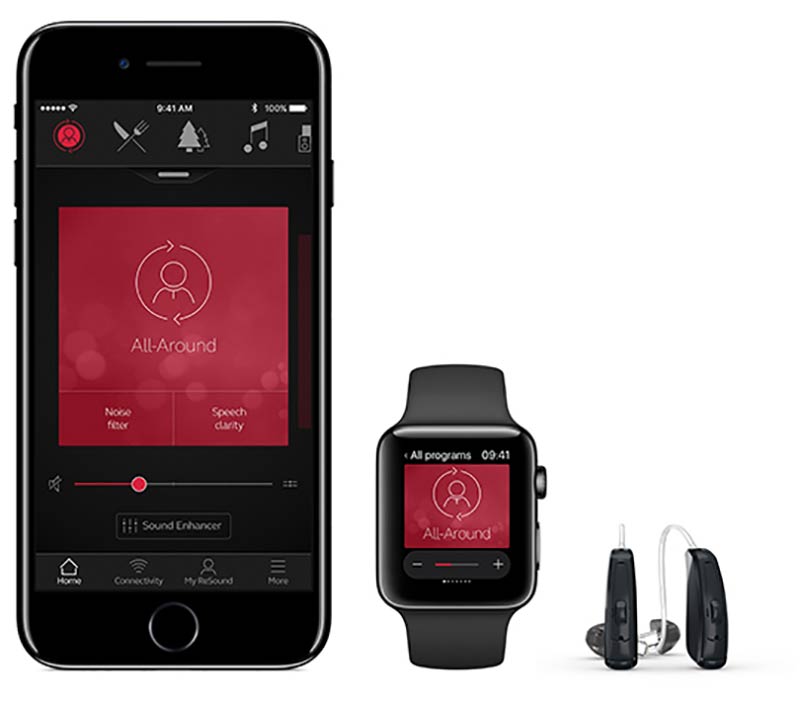
The Resound app is amazing, I can say without a doubt that it offers the most power and personalisation available on the market. It is an amazing piece of work and I am on record telling the designers that they damn rock. I think this is a really good thing, however, you might not. For me, having real control over my hearing aids is important, but I understand if you just want to put them on and forget them. I think though, that you may actually be pleasantly surprised by the app if you give it a whirl.
AI Introduction
Resound are introducing an integration with Siri on the iPhone that will deliver a very easy way for you to make changes to your hearing aids. There are two ways to do it, either you tell Siri to make the changes, or Siri will give you a suggestion for changes and you simply swipe to accept them. This is pretty smart thinking from Resound, it ensures that it is easier for you to get more from your hearing aids.
They have said that they will also use Artificial Intelligence to learn more about user preferences in different situations. They will use anonymised data from their app to learn about the user preferences in different sound environments. They will then begin to apply that learning in upgrades to the app. This type of thinking means that the hearing aids will be better tomorrow then they are today.
What About Disadvantages?
Disadvantages might be a strong word, some might see one thing as a disadvantage while others may see no issue. It is still important for us to try and identify them to give you a balanced view. So here goes, the Quattro range consists of only two models at two technology levels. Both models are Reciever In Canal devices, one, of course, being rechargeable and the other powered with traditional hearing aid batteries. That means the choice is limited and the Quattro may well be out of some people’s budget.
Of course and as with other Made For iPhone hearing aids on this list, connectivity to Android and other devices has to be done with a streamer. While this will probably change for Android phones this year, connectivity to other Bluetooth enabled devices will always be through a streamer. Some people may see this as a disadvantage. Finally, the rechargeable version doesn’t have a telecoil, however, you can get access to loop systems with the extra Multi MIc accessory if you want that.
The Phonak Marvel
The introduction of this hearing aid has caused big waves. The hype has been huge, but does it deserve it? I would have to say, yes. It is a pretty cool hearing aid with some really amazing features and apps to go with it. I have worn them and I have been impressed with them, they sound good, the apps that accompany them are excellent and the connectivity is pretty mind-blowing.
The Marvel will eventually be a full range of hearing aid types and they will be available at four levels of technology. That means that there will be a Marvel for everyone eventually no matter what style you like or what your budget is. Of course, there is a chance that not all of the custom hearing aids, when they arrive, will have the connectivity, we will have to see. Let’s talk about the Marvel, again, I am going to concentrate on the rechargeable version.
Battery Life
The battery life of the Marvel is in line with many of the rechargeable devices available. You should get sixteen hours of battery life with up to four hours of phone streaming and four hours of streaming from their TV connector. The 312 zinc-air should offer 62 hours of use.
Direct Connectivity
The connectivity of the Marvel is amazing, it can basically connect to any audio device with Bluetooth. Any phone you care to mention, TVs, computers and Macs. That is a direct connection with no need for a streamer. More than just the typical direct connection we are used to, the Marvel also offers hands-free calls. That’s completely hands-free, you don’t even have to touch your phone to answer a call, simply press the button on your hearing aid to answer and end the call.
Connecting To Computers & Other Devices
Connecting Marvels to a computer or Mac is simple, one warning though. If you have paired your Marvels to your phone, you need to turn off the Bluetooth on your phone before you try to pair them. Marvels will not connect to more than one device, so if you have them connected to your phone, your laptop or Mac won’t find them. Connection to the computer may seem inconsequential, but it allows you to use the likes of Skype or Google Hangouts while hearing the audio directly in your hearing aids. The hearing aid mics also feed your voice back to the computer. That’s pretty cool and all without a streamer.
The Charger Case
Well, it is actually the apps with the Marvel, the remote app is nothing to write home about. It’s functional and offers programme and volume changes and that’s really about it. You can also change the balance between streaming audio and the microphones or the tinnitus sounds and the microphones. But it doesn’t give real power. However, the phone call transcription app is pretty amazing. It transcribes to text the phone call as it happens. That is outrageously cool and it delivers the ultimate opportunity to understand every phone call you ever make or take.
What About The Disadvantages?
Again, disadvantages are in the eye of the beholder. The Marvel is only available in two Receiver In Canal models right now, one which is rechargeable and the other which is powered by a traditional battery. While we expect this to change in 2019, we only have the release dates for more of the Receiver In Canal range. We have no idea when Phonak will introduce either the Behind The Ear Marvels or the Custom In The Ear devices. At present, there is no Audeo Marvel with a telecoil although we expect them to arrive later this year. There is also no remote microphone accessory that works with the Marvel, again, we expect that to change later this year.
Starkey Livio AI
A New Use Case
The Livio AI from Starkey is a fascinating hearing aid that is unique in many of its functions. It presents users with a completely new use case for hearing aids. Starkey has set out to merge different technology so the device offers far more than just better hearing. In early 2019 they announced that the aids will be upgraded to offer fall detection and alerts and heart rate monitoring on top of its existing sensor set. The hearing aids also offer the real-time translation of 27 languages through an accompanying app. We haven’t used the devices at all, so we have no personal experience with them.
Battery Life
While the existing Livio AI is powered by traditional zinc-air batteries, Starkey has announced a lithium-ion rechargeable device will be introduced soon. We know nothing about it right now, but we will update the article. They say that you will get 4 to 7 days out of the 312 RIC and 7 to 11 days out of the size 13 BTE.
Direct Connectivity
Starkey, like Resound, offers pretty solid connectivity to iPhones. There are of course the usual Bluetooth issues but they really are inescapable for the most part. By direct connectivity, I mean that the hearing aids connect to the iPhone without an intermediary streamer.
Android Connectivity
The Livio will connect to an Android device but only for the use of the app. The Livio will not stream audio from an Android phone. There have been no announcements or indications that Starkey will offer true Made For Android connectivity, however, we would expect that to happen once Resound and GN are finished their design partnership.
Connectivity to Computers Etc
The Livio AI can only connect to other devices using a streamer device. The streamers will connect directly to the hearing aids though, so you don’t need an intermediary streamer hanging around your neck.
A Hearing Aid That’s a Health Tracker and More
The Livio AI is truly a multifunctional device that combines features from wireless headsets, fitness trackers and health apps, and finally, language translation programs. That’s right, language translation. The keys to all of this are a brand new chipset, an embedded sensor on the chipset and 2.4Ghz communication between the hearing aid and a smartphone. This allows the monitoring of movement and a deeper instantaneous communication between the hearing aids and a smartphone which has been leveraged to deliver real user benefits. The addition of the new Valencell and Sonion Reciever with the embedded biosensor will bring heart rate tracking and the upgrade of the chipset will deliver fall tracking and alerts.
The Thrive App
The health monitoring element of the Livio AI is offered via the Thrive App. At present, it offers two measurements that both deliver the possibility of a score of 100 points. It focuses on a Body score and a Brain score. The body score is calculated through a combination of activity, steps and overall movement. This information is tracked daily and accessed easily in the Thrive app.
As I said, a daily score of 100 points is possible. The app also offers a pretty in-depth remote control feature that rivals Resound’s. Starkey has also announced that the will offer text transcription of phone calls in a similar way to Phonak. We aren’t sure if that will be via the Thrive app or a separate app.
AI Introduction
Starkey has announced a deepening AI integration to the Livio AI but the details are scant at the moment. They have mentioned integration with the Google Assistant, but it remains to be seen what form that takes and how it will work
What are the Disadvantages?
Primarily the lack of choice of styles, you are limited to traditional zinc-air devices at the minute and only two Receiver In Canal models and one BTE Model. The new heart rate functionality will only be available on the RIC devices I would imagine as it is dependent on getting the sensor in the ear canal. Starkey up to now has not gone down the custom Made For iPhone hearing aid route before now. It will be interesting moving forward if that changes. I think if they offered In The Ear hearing aids we would see some trade-off in functionality.
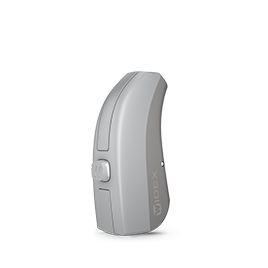
Widex Evoke Fusion 2 Hearing Aids
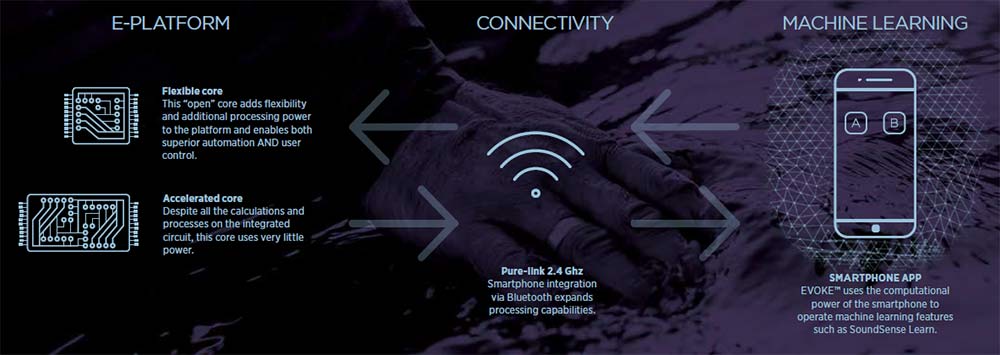
The Evoke Fusion 2 is the latest Bluetooth enabled hearing aids model from Widex. The Evoke platform or E-Platform was the first ever range of hearing aids to introduce machine learning capabilities. The machine learning feature is only available on The Evoke Fusion 2 which is a direct connection or Made For iPhone hearing aid. Widex said that the Evoke began the era of intelligent hearing, where the quality of your listening experience will evolve in real time and real life.
They were right, it was the beginning and more than a few hearing aid brands have taken notice. With machine learning enabled, the Evoke range will continue to learn from you (and millions of others) as you use them so that you will hear sound perfectly.
The Evoke hearing aids evolve in real life to keep getting smarter.
Widex new SoundSense Technology means that every time you use EVOKE hearing aids, they evolve in their function. That’s why they call them the world’s first smart hearing aid. The machine learning system works by learning from you (and others across the world) when you personalise your listening experience. The EVOKE learns from sound information from the different sound situations and your inputs. Widex uses anonymous data from your changes to create a better listening experience for everyone. That means that the hearing aids you buy will be better tomorrow than they were today.
Battery Life
In general most of the Evoke Fusion 2 devices sold appear to be non-rechargeable devices using a traditional zinc-air battery. There is a rechargeable upgrade for it, but most professionals are staying away from it. The battery life for the 312 zinc-air is anything between 5 and 7 days.
Direct Connectivity
Widex initially suffered from some connectivity problems with the Beyond, however, they quickly fixed the issue with a firmware update. Since then, they have generally had pretty solid connectivity to iPhones. By direct connectivity, I mean that the hearing aids connect to the iPhone without an intermediary streamer. While Evoke Fusion 2 hearing aids will connect to Android phones, they only do so for the use of the app.
Connecting to Computers & Other Devices
The Evoke Fusion 2 does not offer direct connectivity to computers or Bluetooth enabled TVs or other Bluetooth enabled audio devices. However, you can connect to all of these devices through one of the Widex wireless accessories.
The App
The Widex app is really good, it offers strong control over the hearing aids allowing you to not just change programmes and volume, but also allowing you to change the frequency response of the aids and control the focus of the directional microphones. The app is also the central part of the machine learning system.
What are the Disadvantages?
Primarily the lack of choice of styles, you are limited to a single Receiver In Canal hearing devices at the minute if you want a Widex Bluetooth hearing aid. It is available in four levels of technology though. While there is a rechargeable option, many professionals are staying away from it because it has been problematic in the past.
I had a great conversation with Dave Kemp of Oaktree Products recently about the technology introduced at CES in 2019 by the hearing aid brands. Like me, Dave is fascinated by smart assistants and the voice first strategy we are beginning to see in technology. He recently wrote an article for Voice Bot called “Hearing Aids as a Home for Smart Assistants – The Hearables Market Expands” which detailed the latest changes in hearing aid functionality in this area. You can watch our conversation below.
Voice First
Voice first is basically the switch from physical user inputs to voice inputs. Instead of typing, you can just say it. Voice recognition has been around for a very long time. However, with the introduction of smarter and faster systems, it has become exponentially better. Voice first has led to the introduction of the new wave of smart home assistants like the Alexa Echo and Google Home Smart Speakers. With the advent of a deeper connection between hearing aids and Smartphones, voice first features make a lot of sense in hearing aids.
Smart Assistants & Machine Learning
Three of the big name hearing aid brands have recently introduced a personal assistant aspect to their latest hearing aids. Oticon introduced Kaizn, first which they billed “the world’s first AI personal assistant for your ears.” Of course, GN Resound announced at CES 2019 that a Siri app integration will soon be available for their Quattro and LiNX 3D hearing aids, through an app update in February. Finally, Starkey announced at CES that it will be introducing its Thrive personal assistant, through its Thrive app for its new line of Livio AI hearing aids.
Smart assistants offer a huge amount of functionality, integrating them with the function of your hearing aids makes real sense. The concept moving forward would be that your hearing aids function as your personal assistant. Telling you what your day is like, notifying you of and reading you your emails and text messages. In turn, you will instruct them to use a particular programme or increase the amount of noise reduction and narrow the microphone focus.
The introduction of these types of strategies allows the hearing aid brands to use machine learning to improve the user experience. Widex was first to the fray with Machine Learning with the introduction of their Evoke Fusion 2. The idea is simple, the brands will leverage user input and preferences alongside sound environment data to make their hearing aids function better. Machine learning really is the future, it uses the idea of big data to its best effect.
A TEENAGER is fighting to prove that the MMR vaccine made her deaf.
Katie Stephen, 16, fell ill with a fever 10 days after being injected with an early form of the immunisation as a toddler in 1991.
Parents Wendy and Alistair believe the vaccine, which included a strain of mumps, was responsible for their daughter losing the hearing in her left ear.
They also believe that the Government knew of health risks surrounding the vaccine, but carried on using it.
More recent forms of the vaccine have been at the centre of a separate row over alleged links to autism.
Katie, from Stonehaven, Kincardineshire, said: “I feel quite angry when I think about it. It shouldn’t have happened to me.”
Mum Wendy added: “I can’t say to Katie ‘This was an accident, you were unfortunate’, because I feel the people who authorised this vaccination knew that someone’s child would be damaged.
“It is time someone took the blame.”
The Stephens are one of a number of families seeking compensation from the vaccine makers Smith Kline and French Laboratories.
The court battle, launched in the 1990s, is due to be called again later this month at the Royal Courts of Justice in London.
CES 2019 was pretty busy with announcements from many of the hearing aid brands. Not to be outdone, Starkey Hearing Technologies announced a host of upgrades and capabilities to their new Livio AI product including the first-ever Fall Detection and Alert capability within a hearing aid, as well as Heart Rate Measurement and a built-in Virtual Assistant. I think this is groundbreaking stuff, in fact, I think we will look back on this period as the turning point in the evolution of hearing aids. Let’s take a look at what is going on.
Driving Change in Hearing Aid Use Case
Starkey is at the forefront of driving the change of use case for hearing aids. I believe that hearing aids should do much more than help you hear better. I think there is an opportunity for hearing aid brands to deliver integrated health devices that make your life better. I think a great part of that is monitoring of our health, or possibly even more important, the health of a loved one. Starkey is introducing capabilities and features that move the Livio AI towards that integrated health device concept. Here are the features including the new ones.
Translation in 27 languages
Amazon® Alexa connectivity
Rechargeable option – NEW
Fall Detection and Alerts – NEW
Heart Rate Measurement – NEW
Voice-to-text Transcription – NEW
Natural user interface with tap control
Self Check for hearing performance – NEW
Thrive Virtual Assistant, built on Google Assistant – NEW
I think that each of these features and capabilities makes sense within the context of a hearing aid. I have heard other professionals dismiss them as ancillary fluff. I don’t think so, in fact, I want my hearing aids to do so much more than just help me hear better. That’s just the baseline for me. The thing is, I wear my hearing aids during every one of my waking hours, so do most people with hearing loss. So they are ideal platforms for an integrated health concept.
Want To Make Sure Your Loved One is Okay Without Removing Their Independence?
I know many people who worry about their older mom or dad, living at home on their own. Finding it difficult but not ready to give up their independence. Fall detection and alerts give peace of mind for people in this situation. According to the National Council on Aging in the US, every 11 seconds, an older adult is seen in an emergency department for a fall-related injury and one in every three older adults – about 12 million – fall every year in the U.S. With onboard fall detection, your mom or dad takes a fall and you get notified about it straight away. Tech like that means that older people can get to live independent lives for longer while reducing the worry. I mean how cool is that?
Biometric Sensor Integration
The integration of a biosensor that tracks heart rate is another cool piece of additional tech. For people with underlying conditions biosensors can play a part in the monitoring of their condition. They can also play a part in the monitoring of the treatment of those conditions. Again, this isn’t fluff for many of the people who wear hearing aids, it is a very useful tool.
Attractive to The Healthy
These features are attractive to the healthy because generally, they damn well want to stay that way. There has been an explosion in health-related wearables, Apple watches, Fitbit, etc. Hearing aids that deliver comprehensive health data will deliver the same information. The integration is the key, you just have to wear one device.
I know I say this a lot, but this is an exciting time in hearing aids. Like I said, I think we will look back on this period as the turning point in the evolution of hearing aids to integrated health & communication devices.
What are the best hearing aids innovations in 2019?
We have barely started 2019 and already we have seen announcements about groundbreaking technology from the hearing aid brands. Like 2018, 2019 will be a year of emerging new technologies, hearing aid features and indeed hearing aids which I believe will affect the future of hearing aids for years to come. Let’s take a look at the innovations in 2019 that will make a difference.
As I said, 2019 is barely ten days old and we already have a host of announcements about upcoming hearing aid tech from some of the big brands and some of the big component makers. I was expecting CES to be exciting, I really didn’t expect that I would hardly be able to keep up. While I will cover innovations in tech, I will also cover innovation in the business model.
The Biggest Hearing Aid Innovations
I think the biggest innovations around hearing aids for 2019 will be the following:
Fuel Cell Technology (Widex)
Deeper integration of sensors in hearing aids (Starkey first, then probably everyone!)
Rechargeable custom hearing aids (not sure who will be first)
Deeper integration of personal assistants (Resound, Starkey, Probably Signia and Widex)
Upgrades of hearing aid functionality (Widex, Resound, Starkey)
Made For Android (Resound initially)
Widening use of telecare to change hearing aid business (hearing care profession)
Fuel Cell Technology
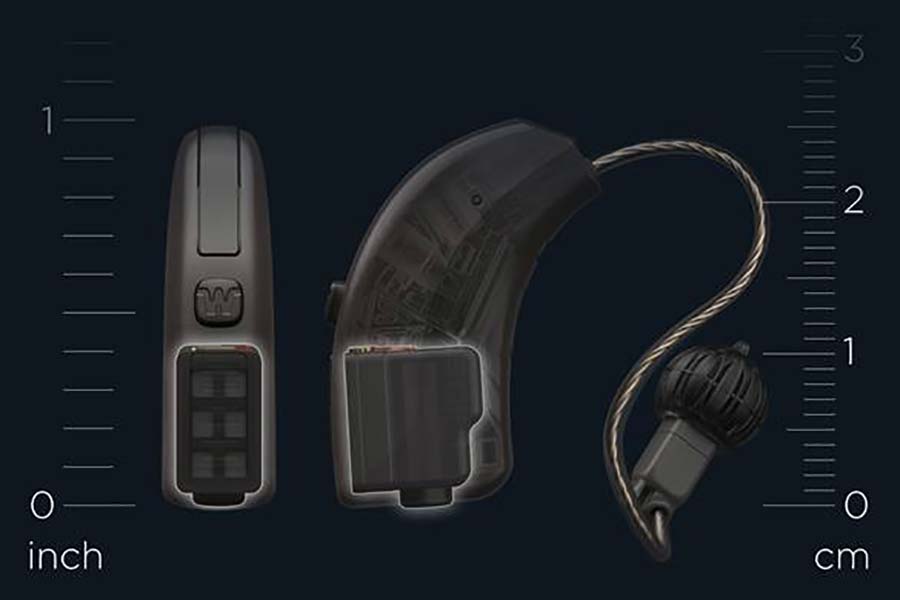
Widex was named a CES® 2019 Best of Innovation Awards Honoree for WIDEX EVOKETM featuring WIDEX ENERGY CELL™ technology in the Fitness, Sports and Biotech product category. After working towards this day for many years, Widex has finally perfected the Fuel Cell for hearing aids. This has been a challenging innovation for them to realise and there were many false starts during the last few years. We were beginning to think it was a Unicorn, but here it is, hearing aids without batteries!
How Does The Fuel Cell Work?
The Fuel Cell technology is based on Methanol, the small fuel cell inside EVOKE EC gets energy from the refill unit, which holds a methanol cartridge. Once the methanol meets the air inside the fuel cell, electrical energy is produced to power the hearing aid. The only waste from this reaction is vaporised water and negligible amounts of carbon dioxide.
What Difference Will it Make?
Holy crap! Is that succinct enough? So, details are sketchy at this point, and we expect things to become clearer as they move towards launch. However, this technology really does have the potential to change the hearing aid world forever. Hearing aids without batteries, no charging, no need for a plug, no need to buy batteries, a simple 20-second charge of Methanol and you get 24 hours of use.
The possibilities for the technology are endless, however, we need an answer to a lot of questions as well. Questions like, are the hearing aids wireless? Are the hearing aids Bluetooth Enabled? If they aren’t, why not? Will you be able to fly with them? Can you carry the charging station in hand luggage? I really do think that this is a huge breakthrough, however, until we answer all the questions, we really don’t know will it be a vanity technology or a true paradigm shift.
Biometric Sensors Again!
Yup, I talked about Biometric sensors last year after Starkey introduced the first hearing aid with a sensor onboard. I thought things would pick up in 2018 and I was right. Sonion and Valencell partnered to introduce the very first Receiver In Canal with an embedded biometric sensor. They have called it BiometRIC, the breakthrough opens up the opportunity for hearing aids to become integrated health monitoring devices.
The BiometRIC receiver in canal is optimized for size and will measure heart rate, R-R interval, activity levels, energy expenditure, and will provide a platform for future innovations in hearing health devices. Biometric sensors offer comprehensive vital sign information and placing the sensor in the receiver (speaker) in the canal gives it perfect access to the best place to track that info.
What Difference Will it Make?
The possibilities are endless really, quite often people with hearing loss suffer from other so-called comorbidities such as cardiac issues or diabetes. It will mean that their hearing aids can help to monitor the condition as well as help them hear better. Even if a person with hearing loss is fit and healthy, they generally want to stay that way. The addition of sensors will mean that they can monitor their fitness levels while hearing better. Starkey was first with sensors and they have announced that they are releasing several updates in functionality to their Livio AI devices in March and the new BiometRIC will be part of that launch.
Rechargeable In The Ear Hearing Aids
The rumour mill has been going for some time in relation to rechargeable custom hearing aids. I think they will be released this year, but I am not sure who will release them first. I think there is a good possibility of it being Signia or Phonak. I base that really on educated guesses. Both of the brands have a lot of experience now with lithium-ion cells. Sonova (owners of Phonak) through the purchase of Hansaton has real-world experience with rechargeable custom hearing aids, while Signia has been ever inventive with the design and shape of lithium-ion cells. I do believe we will see the devices, although it may be late in 2019, or even 2020.
What Difference Will This Make?
Rechargeable hearing aids have proven massively popular. While initially many thought of them as ideal hearing aids for people with eyesight or dexterity issues, that attitude has changed. I said myself, I didn’t realise I loved rechargeable hearing aids until I tried them, and it is proving to be the same for many new hearing aid users. A rechargeable custom hearing aid would be exceptionally popular with the buying public.
Personal Assistants
I have had a dream for more than a few years that my hearing aids could be my personal assistant. It seems that in 2019, they may just be moving towards that dream. Resound started the excitement with the announcement that they were introducing both Artificial Intelligence and Siri integration to their latest hearing aid ranges. This was quickly followed by the Starkey announcement about Google Assistant integration into the Livio. This is just the beginning for this type of concept and I would expect the integration to become deeper and the functionality to explode over 2019 and beyond.
What Difference Will it Make?
With this type of functionality, your hearing aids will become an integrated part of your life. They will no longer be something you have to wear, they will be something that you want to wear. They will make your day to day life easier. Keeping you apprised of your schedule and the updates during your day that are important to you.
Artificial Intelligence
Widex were the first brand to make steps forward with machine learning in their Evoke range. The system is an outstanding example of innovation from a company who is renowned for it. They have pointed the way and the other brands have most definitely picked up the challenge. Both Resound and Starkey make claims about Artificial Intelligence integration with their hearing aids. In both cases, details are a little scant as of the writing of this article. It remains to be seen if what they are introducing is Machine Learning or true Artificial Intelligence. There is a distinct difference. No matter, the Widex machine learning system has already proved its worth and Widex hearing aid users across the world are benefiting from it, even if they don’t use it.
What Difference Will it make?
Machine learning is making a huge difference right this minute, Widex is using data from thousands of hearing aid users across the world to continually make their Evoke hearing aids better. That is the beauty and the power of the system, it learns from real-world use and integrates its learnings into existing hearing aids. Artificial Intelligence will take that system one step forward, and if it happens in real time, it will ensure that hearing aids are reacting and upgrading their function constantly.
Upgrades of Hearing Aid Functionality
This is something that we are seeing from many of the brands this year. We have seen firmware updates pushed out from Widex, Oticon and others before. However, this year it really appears to be a top line concept. Resound announced that their new AI system will continually introduce new upgrades to existing hearing aids. Starkey has just announced that it will upgrade the Livio AI with new functionality. Widex designed the Evoke machine learning system to ensure that Evoke hearing aids would be upgraded to function better continuously.
What Will it Mean?
I see this as a bit of a sea change in the industry, it will mean that the hearing aids you buy today, will, in fact, get better tomorrow. That is a paradigm change, before now if you wanted better hearing aids, you bought the latest ones. Hearing aid technology is moving so fast though, that this will probably never change. Yes, your existing hearing aids will get better, but the latest super duper ones will still be an inviting proposition.
Made For Android
Made For Android is finally expected to land this year, Resound announced that they are working on the protocol with Google and they expect to push it out to the Quattro hearing aid range this year. I would expect the other brands to follow late in 2019 or 2020.
What Will it Mean?
It will mean that all the pretty cool functionality that is available to many hearing aid users with iPhones, will now be available to Android users. It also opens up possible new functionality and a deeper partnership with Google with an eye towards future technology concepts like Google Assistant as an integrated personal assistant.
Business Model Changes
While this isn’t a new technology, I think it will be driven by new and innovative hearing aid technology. Just recently we reported on Lively Hearing who are offering hearing aids in a new and unique way with remote care. I think this is probably the first example of a growing hearing aid channel. The recent advancements in telecare for hearing aids ensure that business models like this can exist and thrive. I don’t think it will be the end of the existing channel, I think it will be an accompaniment to it. I mean not all hearing aid users are willing to buy online, not all hearing aid users are actually suitable for this type of online model. But, there certainly is a place for it.
I think that this is just one example of possible changes we will see to the hearing aid purchase model in 2019. The possibilities are endless, unbundled purchases, buying different service levels, subscription models, renting hearing aids, who knows? There are new players becoming involved with new ideas and experiences of completely different purchase cycles. More than that, existing businesses are looking for new and innovative ways to remain relevant to consumers. To be honest, I really don’t think consumers know what they want. But I think 2019 will be the start of finding out!
Multifunctional Communication Devices
With the advent of recent technological innovation, hearing aids are changing dramatically. The use case for hearing aids up to now has been simple, help you hear better. Moving forward though, they will become multifunctional devices centred around communication in all of its rich detail. The use case for hearing aids is changing, hearing aids are beginning to become devices that you don’t wear because you have to. You will wear them in the future because you want to because they will enrich your life in many ways beyond just hearing better.
It is a question we get asked regularly, which hearing aids work with iPhones. Funnily enough, nearly every hearing aid on the market will work with an iPhone. You have to be careful though, just because a hearing aid has an iPhone app, doesn’t mean it is a Made For iPhone hearing aid. Many will not work without an intermediary streamer. If your question is, which hearing aids have a direct connection to the iPhone? The simple answer has to be any hearing aid that carries the Made For iPhone mark. Since I wrote this article there have been many changes and developments, so I decided it was long past time to update.
Just because a hearing aid has an iPhone app, doesn’t mean it is Made For iPhone!.
Made For iPhone & Made For Any Phone
The direct connection world has been shaken up a bit, Sonova, both Phonak and Unitron brands introduced the Made For Any Phone lines and it introduced a new concept in direct connectivity. More of that a little later, however, it has spurred one of the major brands to look at Made For Android again.
Resound and Google has announced a partnership to bring direct connection to Android phones to reality. The first hearing aid that will be able to do it will be the new LiNX Quattro. That is expected to happen in 2019 and it will again revolutionise direct connection.
Hearing Aids That are Compatible With iPhones
The current best hearing aids (as of January 2019) which work directly with iPhones are:
the Oticon Opn range
the Oticon Siya range
the Zerena range from Bernafon
the LiNX Quattro from Resound
the LiNX 3D range from Resound
the Enzo 3D range from Resound
The Evoke Fusion 2 range from Widex
the Beyond range from Widex
the Halo 2 range from Starkey
the Livio AI range from Starkey
the Pure 13 BT from Signia
the Nx range from Signia
the Phonak Audeo Marvel range
The Phonak Audeo B-Direct (won’t stream audio)
the Unitron Moxi All (won’t stream audio)
They will all work with a direct connection to with iPhone 7 Plus, iPhone 7, iPhone SE, iPhone 6s Plus, iPhone 6s, iPhone 6 Plus, iPhone 6, iPhone 5s, iPhone 5c, iPhone 5, 9.7-inch iPad Pro, 12.9-inch iPad Pro, iPad Air 2, iPad Air, iPad (4th generation), iPad mini 4, iPad mini 3, iPad mini 2, iPad mini, and some of the iPod touch range.
Made For Any Phone
Phonak introduced a device in 2017 called the Audeo B-Direct. It is the first ever Made For Any Phone hearing aid. It is a revolutionary concept that changes wireless hearing aid connection to the mobile phone. The Audeo B-Direct connects to any Bluetooth® enabled mobile phone, directly without a streamer. It also is the only device to offer true hands-free calling. As it supports the classic Bluetooth protocol, it provides direct connectivity to cell phones – including AndroidTM, iPhone® and even classic cell phones – with no extra body-worn streaming device required. I have put a comparison chart at the end of the article which compares Made For Any Phone with Made For iPhone. This is their first ever Bluetooth hearing aid.
Phonak Marvel Hearing Aids
Phonak have updated their Made For Any Phone hearing aids with their new Marvel hearing aids range. It is a great step forward for them because it offers stereo streaming of audio and phone calls from any Bluetooth enabled device including mobile phones, computers and even TVs.
Bluetooth Enabled Hearing Aids
Every hearing aid brand has wireless enabled hearing aids that will connect to both iPhones and Android phones. However, they will only do so through an intermediary streamer device. For some people, this seems to be an intolerable solution. I don’t know why, I don’t mind streamers, especially multifunctional ones like the Oticon Connect Clip. In fact, I think wireless hearing aid accessories are outstanding and I recently wrote an article about them and why you should buy yourself one for Christmas. Anyway, nuff ranting here is the comparison chart I promised earlier
Feature Comparison
LiNX 3d
Audeo Marvel
Direct Wireless Connectivity To iPhone
Yes
Yes
Direct Wireless Connectivity To Android
No
Yes
Stream Phone Conversation
Yes
Yes
Answer Phone With Hearing Aid
No
Yes
Handsfree Calling
No
Yes
Phone Conversation in Both Ears
Yes
Yes
Streaming of Audio From Phone
Yes
Yes
Use iPhone as Remote Microphone
Yes
No
Find Lost Hearing Aid Feature
Yes
No
Remote Fine Tuning of Hearing Aids
Yes
Yes
Tinnitus Therapy Feature
Yes
Yes
If you like what you see, share it so others can benefit
The Press Release says, and I quote “GN announces hearing solutions that intuitively adapt to enhance the user’s daily life and hearing experience.” Which seems a bit odd, because that is pretty much what their hearing aids do already. It goes on to say “This innovative breakthrough technology is employing GN’s artificial intelligence (AI) solutions in tandem with Apple’s Siri virtual assistant.” So, without the gobbledygook marketing fluff, it appears that both Beltone and Resound is upgrading their latest ranges, maybe just the LiNX Quattro and the Beltone Amaze with both Artificial Intelligence systems and access to Siri on the iPhone. The artificial intelligence bit and the people who they are building it with really caught my attention though. It could mean huge things for hearing aids. The Press Release is unclear at best, but let’s break it down.
Artificial Intelligence
Artificial Intelligence or AI (as its known to the cool kids) is very much all the rage within many industries. AI can be used to make automatic systems better; it can also be used to find patterns in data on an automated basis that the human mind would find difficult. AI, true AI, is a huge deal, and it will change our world. It already has with systems like IBM’s Watson finding new drugs and cracking healthcare problems.
While many are talking about it in the hearing aid world, really what they are delivering is advanced machine learning, which is a little different from true AI. It will be interesting to see what the Resound system actually is. They have been working with some real heavyweights in AI to develop the system.
The Press Release says “The new offering follows years of investment in GN’s dedicated in-house AI research centre, investments in audEERING and extensive collaboration with other institutions and academic research institutes.” audEERING is a fascinating company that is steeped in Artificial Intelligence technology. One of their techniques, sensAI, is a system for detecting emotions from an audio signal.
A fascinating Press Release by Jabra (part of the GN Family) talks about how they are introducing AI within their active noise cancellation headphones. They say that they will be using AI to tune out specific types of noise. Using technology from audEERING, the Elite 85h can detect over 6,000 sound characteristics and filter out the noise more specifically
While the engineering challenges are different, it makes me wonder is that the road that GN Hearing is going to take. Noise reduction that could be powered by AI would be a fascinating step forward for hearing aids. I don’t think the technology is there yet, but could we see it in the future?
Maybe The Quattro Only?
The Press Release says “The new, life-enhancing AI technology is offered as an added benefit to the company’s latest product portfolio from ReSound and Beltone, and it will be reaching users in February 2019.” So it’s possible the new upgrade may only be for the Quattro, but don’t quote me on that, we should know a little later.
However, one thing that is clear is that this is just the introduction and continual upgrades will roll out as time goes by. They said, “A continuous stream of new AI features will become available through future software releases, thus enabling GN to always be at the forefront of innovation by updating existing hearing instruments with new features.”
Artificial Intelligence will change the hearing aid world forever, it will have a significant impact on how hearing aids work on a day to day basis. Widex was first with Machine Learning with their Evoke, others are introducing the tech. It will be interesting to see what Resound are doing, and probably more importantly how.
Update: Things have become a little clearer since the early Press Release. It appears the AI assistant will be part of an upgraded version of the Smart App which should hit the public soon. The Siri access will roll out at the same time. That means that the new upgrade will work with the Enzo 3D, the LiNX 3D, the LiNX Quattro, the Beltone Amaze, the Trust and the Boost hearing aids.
Widex today announced that it has been named a CES® 2019 Best of Innovation Awards Honoree for WIDEX EVOKETM featuring WIDEX ENERGY CELL™ technology in the Fitness, Sports and Biotech product category. WIDEX EVOKE featuring WIDEX ENERGY CELL technology will debut at CES as the world’s first battery-free hearing aid at the Sands Expo Booth #43735. Available the summer of 2019, this new technology is built on the revolutionary WIDEX EVOKE platform to provide superior sound quality, while liberating users by leveraging the benefits of WIDEX ENERGY CELL technology.
Using what will be the world’s smallest commercially-available fuel cell, WIDEX EVOKE featuring WIDEX ENERGY CELL technology allows users to reenergize their hearing aids off the grid in just 20 seconds. It is significantly easier to handle than traditional hearing aids and never needs a battery change again.
“With WIDEX EVOKE featuring WIDEX ENERGY CELL technology, the world will finally get to see its first hearing aid powered by fuel cell technology. Most hearing aids today use batteries or battery chargers connected to power outlets. Our new hearing aid will require neither. This is exciting new technology that will be hassle free for the user while providing superior sound quality and app control that makes the hearing aid easy to manage in any setting.” Jeff Geigel, President, Widex USA.
This is another pretty amazing innovation coming from a well respected and innovative brand. They have been working on this system for many years and it is a pleasure to see their dedication rewarded. It truly is innovative, one simple charge of Methanol that takes 20 seconds will run your hearing aid for 24 hours. We will cover the system in more depth in the coming days.
Don’t Get Caught With This Hearing Aid Rip Off, nanohearingaids.com
I was moved to write an article recently calling out nanohearingaids.com as the rip off that they are. I said then, that it isn’t often that we are moved to action against online hearing device retailers. Mainly because generally, they don’t actually set out to con the consumer. However, the actions of nanohearing.com forced us to action. Unfortunately, people are still being ripped off by them and they continue to make outrageous claims about shitty equipment (Irish technical term). In fact, they have gone further by setting up a series of spurious websites to support their lies. I decided that while I was writing this article, I would also take the time to update, and incorporate our advice about buying hearing aids online. Things have changed since the original article in 2017, so let’s talk about buying hearing aids online and Nano hearing aids.
Independent Hearing Aid Advice
At Hearing Aid Know, we pride ourselves on giving good, honest, Independent and non-biased hearing aid advice. We decided to get serious in early 2017 because we felt that there was a need for good non-technical explanations of hearing aids and their technologies. Not just that, we also felt that people needed to be able to understand the difference between Providers of hearing healthcare so they could make educated decisions about their care. We continue to be committed to that and the information you get from Hearing Aid Know is completely unbiased. We have no vested interests. The con from Nano hearing aids really, really irritates us. Not only are they ripping off consumers, but through bad advice and downright lies, they are putting them in danger.
Nano Hearing Aids
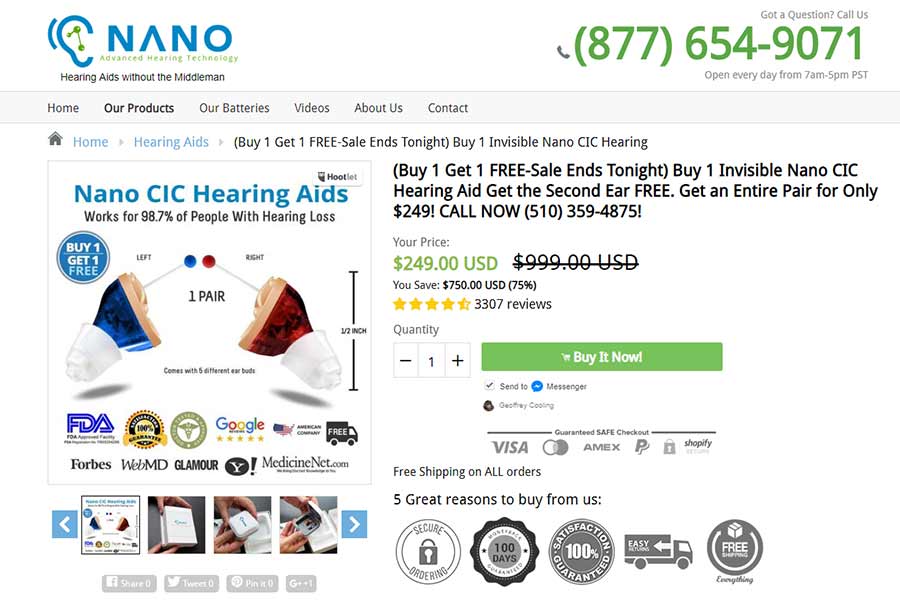
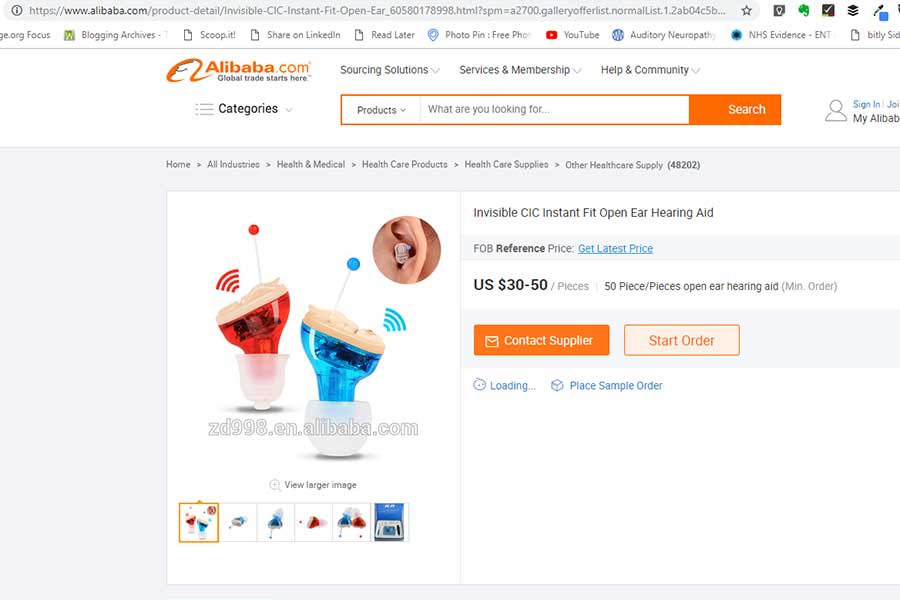
So the image above shows their most popular product, the Nano CIC hearing aids. What is really fascinating about these amazing advanced technology hearing aids at a fantastic price is that they look very similar to thirty dollar hearing aids available on Alibaba. Hmmmmmmm. Anyway, the nanohearingaids.com site is something to behold, with outrageous lies and claims. You can read all about that in our original article Hearing Aids Rip Off. In this article, I want to explain how they are using different spurious websites and fake reviews to support the sales of their rubbish.
Meet besthearingaidreviews.com
The people behind Nano have set up a site called besthearingaidsreviews.com, and it is as full of bullshit as nanohearingaids.com. If you take a cursory look at it, it seems to have been online since 2017. If you take a little deeper look, you realise that the entire site was published in January 2019. In fact, it was published solely to support nanohearingaids.com. They have used the website to include a huge amount of backlinks to the nanohearingaids.com site as well as fool unsuspecting consumers by pretending to be an independent hearing aid review site.
What About The Hearing Loss Association???
They were using the website http://hearinglossassociation.org/, I mean that site was really fooling people because they thought it was the Hearing Loss Association of America giving their recommendation. However, they have stopped using it and transferred all of the content to best hearing aids reviews. They also are masters are using fake reviews and using fake Facebook profiles to push their rubbish. In the video below you can see Cliff Olson run both the Nano and the Alibaba stuff through their paces. Funnily enough, they are so similar, they are almost inseparable!?!? Imagine!?!?
There is an excellent Facebook group devoted entirely to revealing their deceptive tactics, it can be found at https://www.facebook.com/nanohearingaids/. In this way, they hope to maintain this aura of trust in order that they can fool more consumers into buying their rubbish. It is rubbish folks, don’t buy this crap, if you really, really want to try it out, well then buy it for forty dollars on Alibaba. Let’s talk about online hearing aid sellers, who you should consider safe to buy hearing aids online from and how best to make that decision.
The Blamey and Saunders Standard
We support Independent Hearing Healthcare Providers on Hearing Aid Know, but funnily enough, we also support your right to buying online if you want to. It is very important that you understand that we don’t think that buying a hearing aid online is right for everyone. We have always said that we don’t think online sales of hearing aids are a bad thing when there is an infrastructure set up to cater for it. By that, we mean that the online sales are supported by a testing and fitting infrastructure either online or offline. We coined the term, the Blamey and Saunders standard to recognise online businesses that provide that infrastructure.
Blamey and Saunders in Australia deliver a system we would support as does iHear, Eargo and more recently Lively Hearing who we reported on recently. The first three companies have purposely set themselves up and designed their technology to be delivered online. Lively Hearing is using modern mainstream hearing aid technology to deliver decent hearing aids with strong backup aftercare. The crucial thing for us is that the after sales support is clearly there.
Buying A Hearing Aid Online
The sales of hearing devices online are not new, there are businesses around the world that sell hearing aids online direct to consumers. In fact, some of those businesses do an excellent job of it, in the main because they have that infrastructure in place to ensure the buyer’s success. Not only is the infrastructure in place, but the product is designed to be delivered in that way.
I have said in the past that hearing aids from the big brands that are not really designed to be sold in that manner. However, that has changed somewhat, many of the major hearing aid brands now offer telecare solutions. Which means that someone can look after you remotely. It still isn’t the full infrastructure needed to sell mainstream hearing aids online, however, it means that remote aftercare is now easy to deliver.
If you were to send in your audiogram to a company offering this service such as Lively Hearing, they could technically programme the hearing aids and send them out to you. Once you were wearing them, they could connect to them and make changes if need be. This isn’t by any means full service and aftercare, and as I said, it is not a suitable model for everyone. However, if you are tech savvy and you don’t mind fiddling with stuff, well then this might be an attractive model for you.
What You Need To Know When Buying Online
So here it is, this is what you need to consider when buying online, the first and most important thing is that hearing aids are not like glasses. You don’t just put them on and everything is wonderful. It simply doesn’t work like that. Many people will need strong aftercare to get the best out of their hearing aids. You need to be confident that the online retailer can give you that care and service and is committed to doing so.
It is both my experience and the experience of Steve that to get on well with hearing aids, many people need the involvement of a good hearing healthcare professional. Before now, our worry was that people may buy the hearing devices and then find it difficult to get a professional to help them. This has changed with the introduction of remote care technology. Telecare systems enable the delivery of that aftercare. So there are several things you really need to consider so you can make an educated choice before buying.
What You Need To Think About When Buying A Hearing Aid Online
Okay, firstly, only buy hearing aids online if you are the type of person that can manage. By that, I mean that you are tech-savvy, committed, with decent eyesight and dexterity. The second thing is that you should only buy hearing aids online if you have a simple hearing loss. Online purchase of hearing aids is not suitable for people with complex hearing loss.
If this is the first time around the hearing aid merry go round for you. You really need to see a professional before you do anything. Sometimes a hearing loss can be caused by problems other than simple hearing loss. Sometimes a hearing loss can be caused by tumours, sometimes a hearing loss can be caused by a simple earwax plug. When you are buying online, no one looks in your ear, on top of that, the online tests are incomplete and can miss conductive hearing losses. So I think it is really important that if you haven’t been seen by a professional, you should really think about doing that. Here are the pointers:
Hearing aids aren’t glasses, they don’t just work
You will need ongoing care, make sure that care is available
Get a professional and in-depth hearing test before you do anything
Completely investigate what that aftercare is, and how it is delivered
Completely investigate what the returns and warranty policy is from the business
Completely investigate how repairs are handled and what the costs of repairs are outside warranty
Only buy from an online seller that offers to programme the hearing aid to your hearing loss
Send them your latest audiogram so that the hearing aids can be programmed to your hearing loss
If you are buying mainstream brand hearing aids from a business like Lively Hearing there are some further things you need to think about. After your warranty period with Lively, you may want to engage with a local hearing care professional. If so, these are the things you need to think about.
How much will it cost you for a local business to take over your care?
How much will it cost for aftercare visits from a local business? (you will still need them)
How much will it cost for repairs to be handled by a local business?
Finally and probably the big question, will the extra costs of getting someone local to help you mean a net financial saving or loss for you?
Online Hearing Aid Sites
I have said it before, it is a rare occurrence that I resort to Irish technical terms on the blog. In the case of Nano, it is spurred by barely restrained fury. These people are ripping off people who need help, not just that, with bad advice and outrageous lies they may be endangering the lives of people. As I said before, some people are desperate enough to try it and they get taken, that is really what infuriates me.
We will support online hearing aid retailers when and where it makes sense for the consumer. We are on record that we support Blamey and Saunders in Australia and we have mentioned some other sites that we would support here. I have laid out in the past why that is so. If you are determined to buy online, and if you are a fit for that model, go to one of them, don’t get ripped off by nanohearingaids.com.
 Thisishearingaidknow