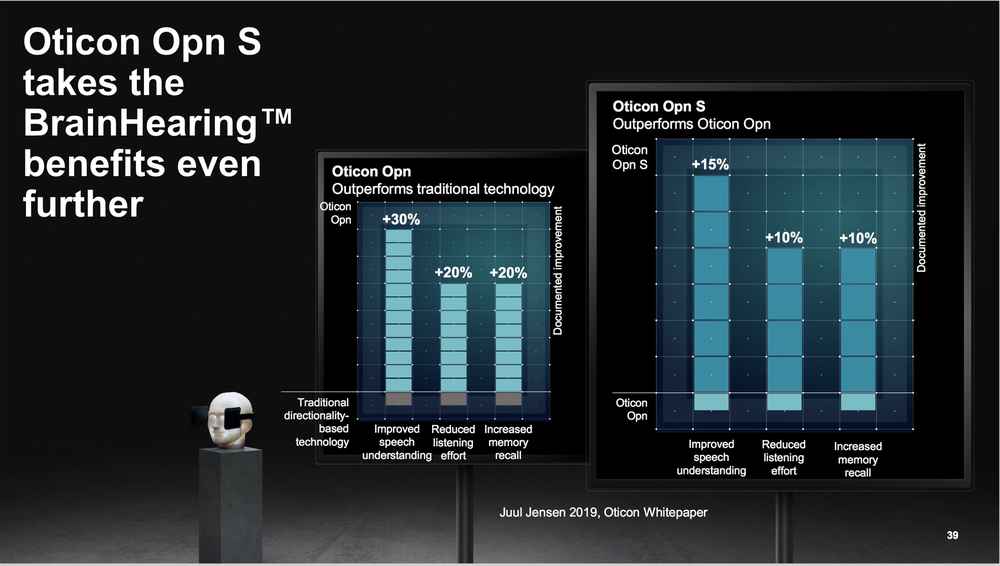
Oticon has just announced the introduction of a new range of hearing aids in March 2019. The Opn S will be the replacement for the original Opn range and will be introduced in three levels of technology with four initial model types. The Opn has been hugely successful for Oticon and we still rate it as one of the best hearing aids around even though it has been around for years. Oticon has made some bold claims about the new Opn S and the benefits delivered over the original Opn platform. They boil down to 15% improved speech understanding, 10% reduced listening effort and finally, 10% increased memory recall. Let’s talk about the Opn S.
The details of the increased performance are based on Oticon research from Josefine Juul Jensen. Josefine Juul Jensen works as a Clinical Research Audiologist at the Centre for Applied Audiology Research at Oticon Headquarters in Denmark. She also undertook the research that formed the basis for claims that Oticon’s BrainHearing™ technology improves hearing-aid users’ ability to understand speech in noise.
“From the company that introduced the world’s first internet-connected hearing aid, comes a new hearing aid to enable people with hearing loss to experience speech understanding at a level on par with people with normal hearing*. The new Oticon Opn S™ helps people with hearing loss thrive in noisy venues, such as bars and restaurants. Oticon Opn S™ also says goodbye to feedback, i.e. the bothersome whistling that hearing aid wearers commonly experience, and features all of the lifestyle-enhancing connectivity features that Oticon is renowned for revolutionising.“
Better Feedback Cancelling
The announcement said that in addition to better sound processing, the new hearing aids will feature dramatically improved feedback cancelling. Oticon hearing aids have in the past struggled with feedback, however, the Opn range did reduce the problems. It seems that Oticon believes the new system in the Opn S will eliminate the problem entirely.
Noting that even the simple act of hugging someone can cause annoying high-pitched feedback, Oticon Global Brand President Ole Asboe Jørgensen said that “without the risk of feedback, users can now feel confidently comfortable wearing their hearing aids.”
OpenSound Booster?
The company also mentioned a new OpenSound Booster in the Oticon On App. They said that “users will be able to use their iPhone or Android smartphones to boost hearing support in their hearing aids when they feel they need it.” This is a little fascinating for me, the announcement did not go into details but I am intrigued as to what this may be. They said, “users can very simply select a boost of hearing support whenever they feel they need it.” That has me a little fascinated, and I look forward to finding out a bit more.
The Models
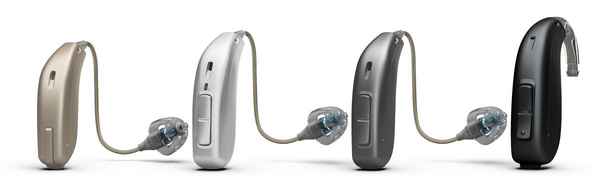
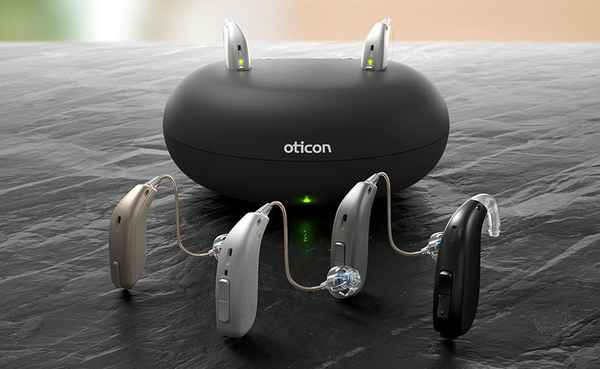
The new range will initially come in four model types at three levels of technology and the market rollout of the Opn S family will start in March. The model types look like a Mini RITE, a Mini RITE-T, a Lithium-Ion rechargeable Mini RITE-T and a 13 BTE. As I said, this will be the first time Oticon goes with a lithium-ion power source. The details are scant and we would expect them to become clearer as we get close to launch time.
Bernafon & Sonic to follow
The end of year results also mentioned that both Bernafon and Sonic will be introducing new platforms sometime in quarter 2, 2019.
Made For iPhone
We assume the range will be Made For iPhone as the Opn was, however, details on connection to other devices is non-existent right now. I would expect the devices to be able to connect to existing Oticon remote mics and TV streamers, but not even that is for sure. As per usual, as the information comes out, we will let you know.
Signia has been teasing around a new hearing aid launch over the last week or so through professional channels. They are keeping the info close to their chest though and appear to have set a launch date for Early March. The teasers appear to contain a Styletto type hearing aid.
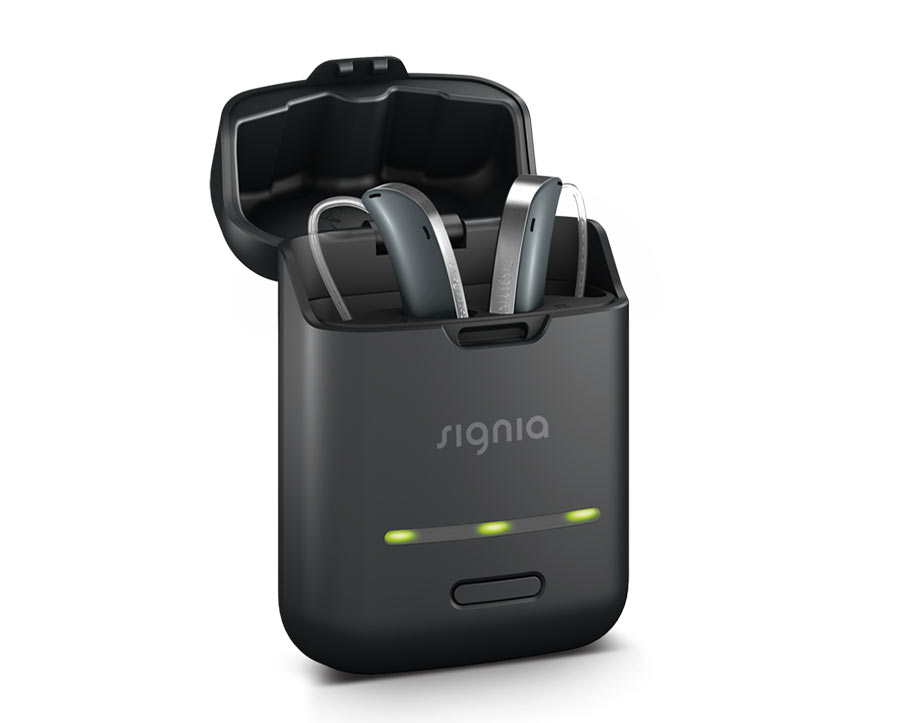
The Styletto was a break from the norm, in essence, it introduced a new form factor to the industry. While it is a Receiver In Canal hearing aid (RIC), it is a RIC like no other. I tried the devices and I was particularly impressed by them, they looked good and the charger case was fantastic.
A New Style?
It will be interesting to see what Signia release, the Styletto was generally well received although some were put off by the lack of connectivity. Signia have a track record for quirky innovation when it comes to model types though, so will there be a brand new model type, will it be an upgraded Styletto? We don’t know yet but bear with us, and when the launch happens we will update you.
Like us on Facebook by clicking the link below to keep up with the latest articles.
In our last article, we spoke about the recent announcement of a new subscription model for the purchase of hearing aids by iHear. The article got me thinking about consumer wants in hearing care. Consumers are demanding change in the hearing aid business model, but it strikes me that many don’t know exactly what they want. I think some of the problems is knowledge or the lack of it. I also think that some of the issues are the inability of professionals to communicate their worth, while it has all been compounded by professionals who don’t do the job properly. I am not here to blindly defend my profession, but neither am I here to encourage rubbish talk. Let’s take a look.
We Want Cheap Hearing Aids!
I think for many consumers, in particular in the USA, the demand is for cheap hearing aids. This appears to be a constant, why are hearing aids so expensive, the audiologists are ripping us off. Hearing aids should be cheaper! These demands have led to the introduction of the OTC legislation in the US and they drive online device sellers. These types of demands are based on the fact that many people think that the solution to their hearing woes is simply technology. Well, that isn’t true, or at least it’s not true if the hearing care professional you are dealing with is providing best practice care. Here is why.
Technology Isn’t Enough
At this minute in time, even the best technology doesn’t meet all the needs of people with hearing loss straight out of the box. Add to that the fact that much of the cheaper alternatives to hearing aids available online are just cheap rubbish and you begin to see the issues at hand. Even with the advent of self-fitting mechanisms based on pure tone sounds, there isn’t a clear understanding of the complexity of a hearing loss. In order to really understand someone’s hearing loss and the effect it has, you need an in-depth hearing test to understand what is going on.
As I said, this isn’t a defence of the existing business model, so bear with me. That test needs to include at the very least, speech in noise testing and probably speech discrimination testing. Speech testing in this manner allows us to understand the effect that your hearing loss is having on your ability to understand speech and how noise effects that understanding.
Are Those Results Important?
This is where it gets a little interesting, strictly speaking, the results of those tests have no bearing on the fitting of a hearing aid. However, they shape our decisions on what hearing aids would best help you. More than that, the results allow us to explain clearly what you can expect from hearing aids and how you are likely to get on.
If your speech discrimination is 60% and your ability to hear speech in noise is terrible, well then we are going to recommend high technology hearing aids and assistive listening devices. We are also going to tell you that even with those devices, some situations are always going to be a struggle, but the equipment will help. With all of this information, you can make a well-informed decision about what you want to do.
Verifying The Fit
I am a staunch proponent of fit verification, I want to do real ear measurements that allow me to independently verify that the hearing aids are doing what they should be. I don’t do traditional REMs, because I think they are arbitrary measures, but that’s an argument for another day. I undertake visual speech mapping because it allows me to verify that the hearing aids are putting amplified speech into your residual speech envelope.
I believe that this is a hugely important verification procedure and anyone who tells you it isn’t, is bullshitting you plain and simple. Hey don’t believe me, here’s a well-known Yank who knows a thing or two, as irritatingly young and American as he is (damn middle age, bitter? Not I), he delivers clear and trusted info:
Ongoing Aftercare
Ongoing aftercare appears to be a must, hell, you people seem to be completely unable to damn clean your hearing aids and replace wax guards. You never told me about them! Yes, yes I did, several times, many, many, many times. Sense the exasperation?
More than that though, over the next couple of years things are going to change. Your hearing will change, the efficacy of the initial programming of the device will change. Generally, if your hearing changes enough, you will need new programming and that will have to be verified. Hearing better is an ongoing process.
Paying For That
Generally and up to now, that mixture of service and product has been charged in one up-front lump sum. I am not here to defend that, merely to state that has been the business model since time began. There are two problems I see with it, firstly, very few itemise the invoice so you don’t really understand what you are paying for and secondly, it’s damn rigid and arbitrary, something that I rail against in life.
It is my experience that many hearing care professionals have little or no imagination. They cling to the traditional model because they don’t have the wit to move towards something else. Their love of the traditional business model isn’t a blind defence of a greedy hegemony, it simply is lack of imagination and will to change.
In fairness, much of their inability to change is based on experience. You lot are damned useless with hearing aid care, you don’t listen to anyone (you didn’t tell me that) and generally, you are a huge pain in the arse. And that’s coming from someone who advocates for you.
Changing The Business Model
You want change, I think there is room for change, but what should that change be? With the last few paragraphs in mind, do you want to forgo service? Is there testing or verification processes that you think you don’t need? Do you think aftercare is not something that you want or need?
The answers to these questions will help shape the business model and the pricing of the future. As I said at the beginning, some of the problem here is lack of knowledge, much of the problem is the fact that hearing care professionals have been idiotic and focused their messaging on the technology, not what they do to make sure the technology works. That has been further compounded by lazy hearing care professionals who don’t follow best hearing practices but charge top dollar for their services.
Business Model Options?
So what are the business model options, by that I mean how can we meet your needs while still ensuring that we are paid for our time and experience? I think the question is, do you want it cheap and nasty or do you want it done properly while getting value for money?
Subscription Services
I think subscription services, or pay as you go services have validity, however, it will mean real changes in the business. It may also mean a complete separation of product and service. By that I mean, the subscription fee is purely product based while you pay for every service offered on an ongoing basis.
Service-Based Pricing
Perhaps service-based pricing is more palatable, there could be three different prices for the same hearing aids based on the services bundled or the longevity of the services offered. 1,500 of your favourite currency for the hearing aids with an in-depth testing and fitting process with one follow up, warranty handling included. After that, you pay a fee for every visit based on what happens at the visit.
4,000 of your favourite currency for the same hearing aids with five years of comprehensive service including yearly tests, wax removal and extended warranty. This type of pricing will give people with affordability issues or people who don’t think they need in-depth service access to devices which are well fitted at a reasonable price.
Hearing Aid Only
Perhaps in the future, the major hearing aid brands will introduce hearing devices that can be self-fitted. You purchase them from us and basically do your thing. All the while knowing that you can pay to see us to receive a gold standard testing and fitting experience.
While the business model needs change, consumers need to be careful that they don’t get what they wish for. Most consumer demands are based on the idea that the traditional hearing care business is a greedy hegemony, in most instances, that really isn’t the case.
The sooner hearing care professionals communicate their worth the better. Even more importantly, the sooner all hearing care professional follow recognised best practice processes as they should be, the better that value will be communicated to consumers through real actions.
Wake Up, Smell The Coffee
Having said that, consumers need to wake up and smell the damn coffee, educate yourself on your hearing and the technology available. Understand that hearing aids aren’t all the same, more importantly, clearly understand that some piece of crap that is being sold for 300 of your favourite currency bears as much resemblance to a proper hearing aid as chalk does to cheese.
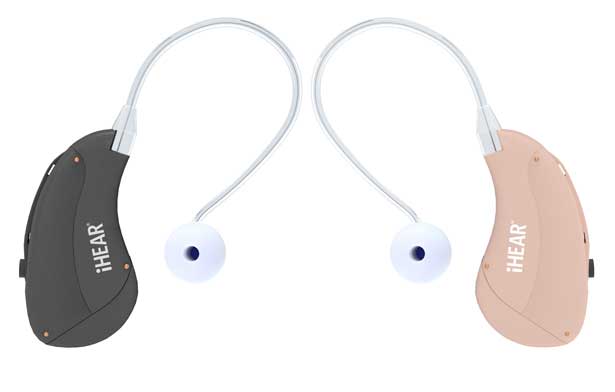
How you buy hearing aids hasn’t really changed since the beginning. Some hearing aid professionals have moved towards a more transparent sales model with unbundling, but generally, most offer bundled prices. Consumers, in general, aren’t happy with that, mostly because of a lack of both transparency and understanding. It all means that the business model of hearing aids is ripe for disruption. It appears that iHEAR Medical has clear ideas about how they are going to do just that. They recently announced plans to launch subscription plans which they say are “designed to make advanced hearing technology more affordable and accessible for the millions of Americans suffering from untreated hearing loss”.
A subscription model
Consumers are used to and familiar with the subscription model. Think Netflix, most professional type software, cell phones. It appears iHear considers that familiarity and acceptance mean that consumers won’t baulk at it when buying hearing aids. According to the company press release, their patented hearing aid technology will allow consumers to subscribe to advanced hearing aids and optional wireless services on a pay-as-you-go model or at a low monthly fee.
That’s an interesting concept and I think it will be the first model of this type in the hearing aid sector. They say that the subscription hearing solutions will offer consumers the ability to personalize their hearing experience to suit their budget and individual needs.
“iHEAR’s patented service model lowers the entry point and saves consumers money by providing opportunities to subscribe to a combination of devices and services that addresses individual hearing needs and budget. Consumers will have the flexibility to adjust their subscription as their needs change.” —John Luna, CEO of iHEAR Medical
The company says that it will launch its subscription service in conjunction with mobile apps for wireless programming of its next-generation hearing device. They say that the devices will feature Internet of Things (IoT) connectivity, which will enable consumers to connect and interact with smart devices in their environment.
iHEAR says that the new subscription devices and services will be offered through the company’s web-based platform. They say that they will provide end-to-end solutions from home hearing screening to self-programming and interestingly, remote professional support of hearing devices.
A changing world
I think that this is just one example of the changing world we are entering. Hearing aids on a subscription will make sense to some. However, it might not make sense to everyone, some will still be happy to use the traditional type payment model. You can be sure though, that this won’t be the only interesting change to how hearing aids are purchased in the next few years.
A press release came across my desk this morning that made me pause briefly. Hear-It AISBL (a non-profit organisation that works within the hearing loss arena) has released a new report on the prevalence of hearing loss. A staggering 466 million people worldwide suffer from disabling hearing loss. That is a rather frightening number; they say that one in three people over the age of 65 have problems that make a real difference to their lives.
More than that though, they believe that number will rise to over 900 million by 2050. Considering the impact that hearing loss has on the broader health of people who suffer with it, those are pretty frightening figures. The report goes on to state that considering the impact of hearing loss, it is important that people have a hearing test on a regular basis to identify issues and get early treatment. You can read the press release in full below.
GN Hearing joins the World Health Organization’s call for a renewed focus on hearing tests to help people improve health and quality of life
Ballerup, Denmark, February 25, 2019 – A new, extensive report reveals the widespread impact that hearing loss is having across Europe. The report, Hearing Loss – Numbers and Costs from Hear-it AISBL, a non-profit organization, is based on analysis of hundreds of scientific studies from the last twenty years. Hearing loss is a growing challenge, 466 million people worldwide live with disabling hearing loss and it affects nearly one in three people over the age of 65.2 This figure is estimated to rise to 900 million people by 2050. These are stark figures.
Hearing is essential for humans to communicate, socialize, learn, work and be entertained. It helps keep us safe and aware in our environment. Hearing loss, if left untreated, can increase the risk of health complications, including social isolation, more frequent hospitalizations, depression and dementia. While hearing loss can have a negative impact on day-to-day life, the new report demonstrates that the use of hearing aids and other hearing solutions help people live fulfilling lives.
Despite this, many people who would benefit from hearing aids remain undiagnosed and untreated. Checking for hearing loss and seeking treatment is therefore critical in maintaining not only personal well-being but also assisting public health bodies in tackling increasing social challenges related to an ageing society in Europe. The report is issued in connection to World Hearing Day on March 3, a global awareness day from the World Health Organization (WHO).
This year’s campaign encourages the public to check their hearing, which is the first step towards addressing hearing loss.
“It’s worrying that too many people with hearing loss aren’t receiving treatment, especially as we know that through the advances in technology people often rediscover joys that they once lost. We encourage everyone to check their hearing, and treatment must be a much higher priority for people and public health bodies globally,” says Kim Ruberg, Secretary General of Hear-it AISBL.
GN Hearing, a member of Hear-it and supporter of the report, welcomes the publication of Hearing Loss – Numbers and Costs: “The report is yet another demonstration of the importance of treating hearing loss to both people and society. At GN Hearing we work constantly to develop innovative hearing solutions that help people achieve their ambitions.
We do this by listening to their needs and transforming hearing care for example by applying artificial intelligence and other advanced technologies to our solutions,” says Mikkel Hansen, Head of Global Medical Affairs of GN Hearing. For 150 years GN has been dedicated to making life sound better. Therefore, the company is committed to helping people identify and treat their hearing loss.
Google announced the release of two new features for Android phones on the 4th of February. The first is an app called Live Transcribe and the second is really a settings change they are calling Sound Amplifier. They’re both designed as accessibility features to help people who are deaf or hard of hearing. Google certainly has been late to this particular party, but it looks like they are set to make up for it. With the direct connection for some hearing aids expected within a few months, it seems like Google is serious about accessibility for the hard of hearing.
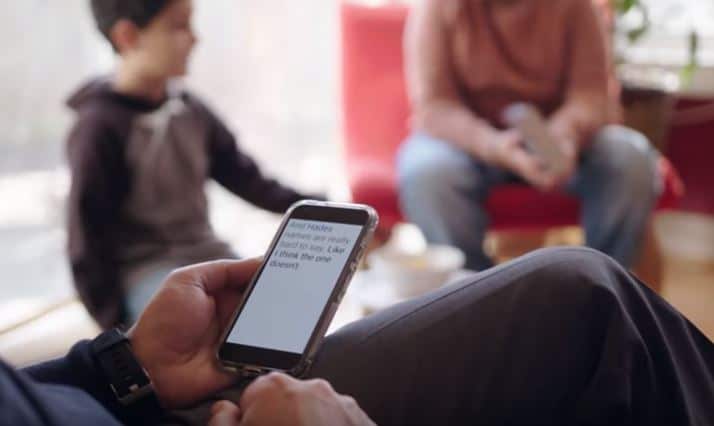
Live Transcribe is an app that automatically transcribes live speech in real time or close to it. It is hoped that it will allow people to communicate in situations where they might not otherwise be able to. Google research scientist Dimitri Kanvesky (who has been deaf from the age of twelve) and engineer Chet Gnegy worked together to bring the App to fruition.
Seeing the conversation
According to a report in The Verge, when you open the Live Transcribe app, it simply starts writing out what it hears in large, easy-to-read text. Dieter Bohn reported that the App works remarkably well, including adding punctuation and even understanding some context. He went onto say “The example Google showed us is that it was able to correctly capitalize the phrase, I am buying a new jersey in New Jersey.” The app does need an internet connection to work because a lot of the brute force computing is done in the cloud.
Design benefits from experience
You can see that a lot of thought has gone into Live Transcribe and I think it benefits greatly from the experiences and clear conceptual thinking of someone who is themselves hard of hearing. Dieter Bohn remarked that two features really stood out for him, one was a blue circle in the corner of the app which pulses slightly to show the ambient noise level so that you can visually see if you need to move the microphone closer to the speaker for it to work.
The other was that if somebody starts speaking after a period of silence, Live Transcribe will vibrate the phone to let you know to look at it to see what is being said. It is those intelligent touches that turn the App into a really useful tool. You can set a primary and secondary language in the app and toggle between them with a quick tap and the App supports up to 70 different languages.
Privacy protected
For people with privacy concerns, you will be happy to know that Google has thought of it. Google has not given the facility to save transcripts and they have said that they aren’t storing audio or transcriptions on their servers, or using any of that data to improve its algorithms.
Making stuff sound better!
Sound Amplifier is designed to allow you to tweak sound settings on your device to improve your ability to hear. It has been described as like a hearing aid app for your phone. For me though, it is like a really cool graphic equalizer for hard of hearing folk. The app was actually originally announced back in May 2019, but they are finally introducing it.
The new Sound Amplifier can be found inside the Accessibility Settings, the new option takes you to a screen with sliders for adjusting various sound settings. The parameters are Boost, Fine tuning, Mic volume, and Sound reduction intensity, along with adjustments for left and right ears. While the sliders are simple and easy to use, Google says that behind each of them are “thousands of parameters.” This App works locally, without the need for an internet connection
Noise reduction
A particularly fascinating feature is noise reduction, you can turn on the noise reduction and even change the aggressiveness of the feature. Again, this App can be used with live speech, so it means that you can get help on the go, the downside is that the feature can only be used with wired headphones though, which kinds of limits it a bit. You plug in a pair of wired headphones and then the phone processes incoming audio to make it easier to hear.
The really bad news
Both will be available preinstalled on Pixel 3 phones in Accessibility Settings and also available via the Google Play Store for other phones. However, Live Transcribe is being released as a limited beta, and Sound Amplifier requires phones running Android 9 Pie, which limits their availability. That and the fact that the new Made For iPhone features will only work with the Pixel 3 and phones with Android 9 Pie is a pretty good excuse to go and get yourself a new phone. Blame it on me, unless your wife or husband live in Dublin, then blame it on some other bloke down the pub.
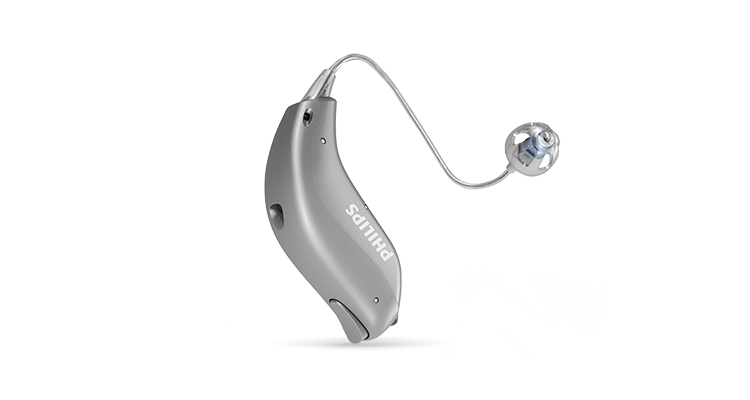
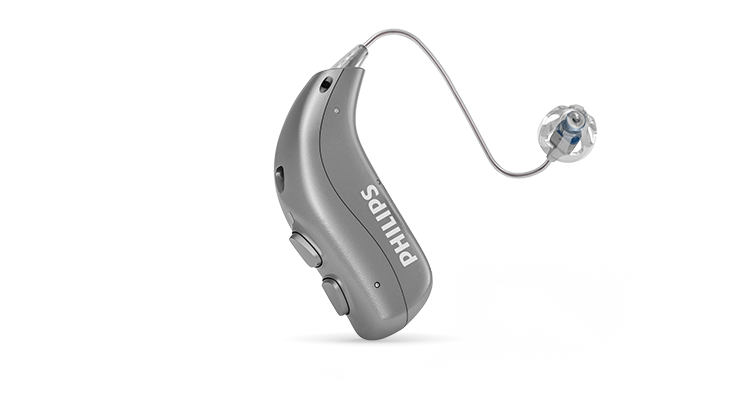
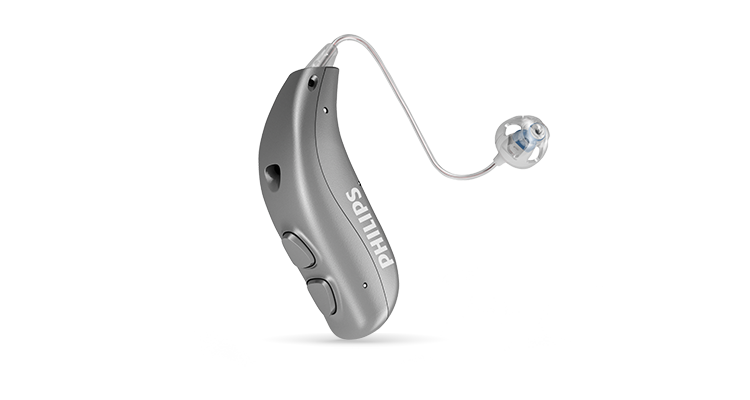
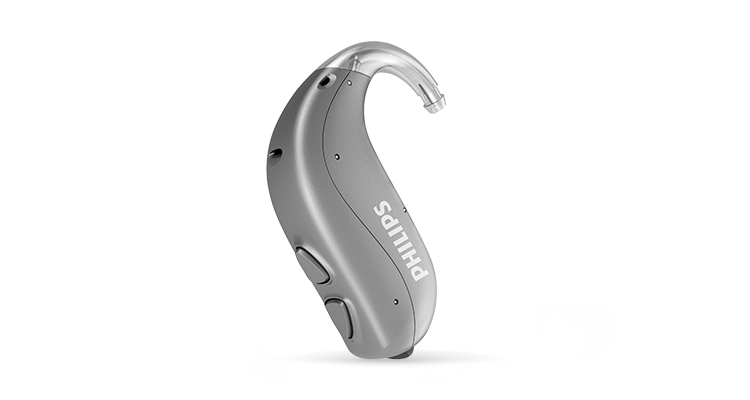
As we covered in the article “Phillips Re-enters The Hearing Aid Market With Hearlink Hearing Aids Range”, you will soon be able to purchase Phillips hearing aids from their new Hearlink range. But what hearing aid models do they offer? Let’s take a look.
Three Hearlink RITEs and a BTE
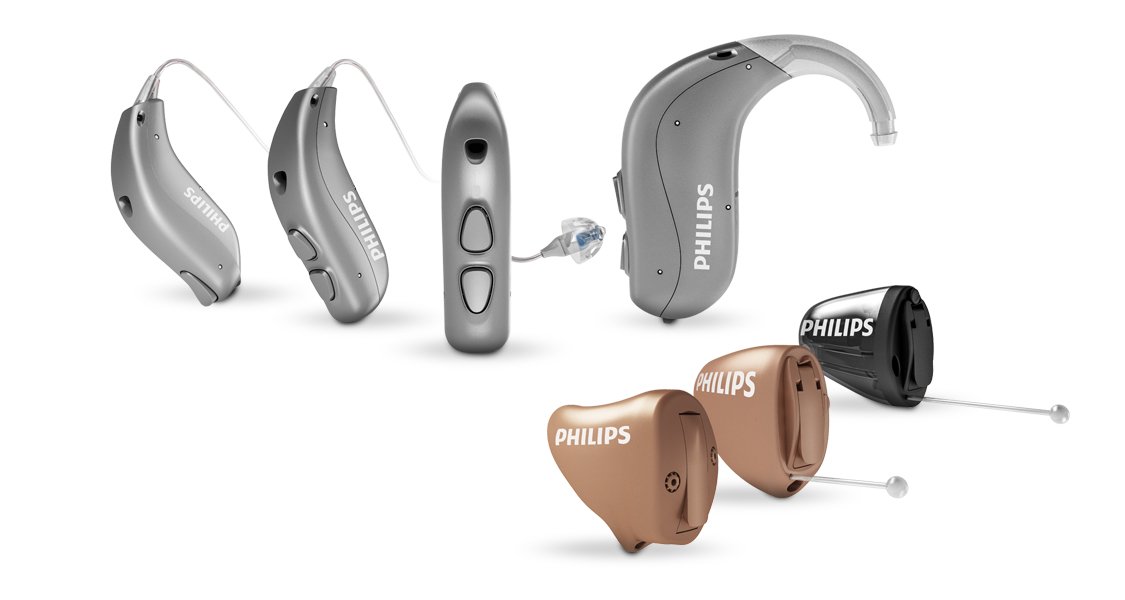
The range is made up of three Receiver In The Ear (RITE) hearing aids and a Behind The Ear (BTE) hearing aid as follows.
Hearlink Mini RITE
Small and sleek Made For iPhone RITE instrument with size 312 battery that fits discreetly behind the ear. This hearing aid can have different speakers for mild to severe hearing losses. The device will be available in five levels of technology.
Hearlink MiniRITET-R
Lithium-ion Made For iPhone rechargeable RITE instrument with a lithium-ion power pack. Fully charged within only 3 hours and providing a full day of use. This hearing aid can have different speakers for mild to severe hearing losses. The device will be available in five levels of technology.
Hearlink miniRITE-T
Discreet Made For iPhone RITE instrument with size 312 battery, telecoil and double Program Button. This hearing aid can have different speakers for mild to severe hearing losses. The device will be available in five levels of technology.
Hearlink BTE PP
Full-featured powerful Made For iPhone BTE instrument with size 13 battery, telecoil and double Program Button. This hearing aid style is most commonly used for severe to profound hearing losses. It’s powerful and easy to handle. The device will be available in five levels of technology.
Three Hearlink Custom Hearing Aid Types
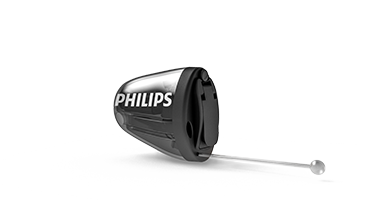
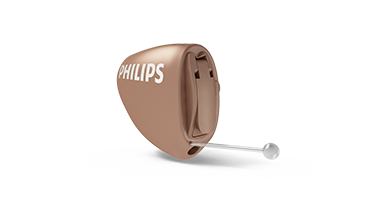
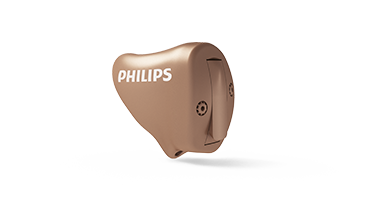
The new Hearlink customs will be available in Three different In The Ear models at every technology level. That’s an IIC. a CIC, an ITC, with the ITC being a Made For iPhone hearing aid which will make many people happy.
Hearlink Invisible In Canal (IIC)
The smallest Philips HearLink instruments that fit deeply in the ear canal for maximum discreetness. This hearing aid style is for mild to moderately severe hearing losses. This device will not be a Made For iPhone device. The device will be available in five levels of technology.
Hearlink Completely In Canal (CIC)
The completely-in-canal hearing aid style is for mild to moderately severe hearing losses. It is worn completely in the ear canal and is barely visible from the outside. The device will be available in five levels of technology.
Hearlink In The Canal (ITC)
Offers many options for individualization including Program Button and Volume Control. It is likely that this device will be a Made For iPhone hearing device. This in-the-ear hearing aid offers many options for individualization and is suitable for mild to severe hearing losses. The device will be available in five levels of technology.
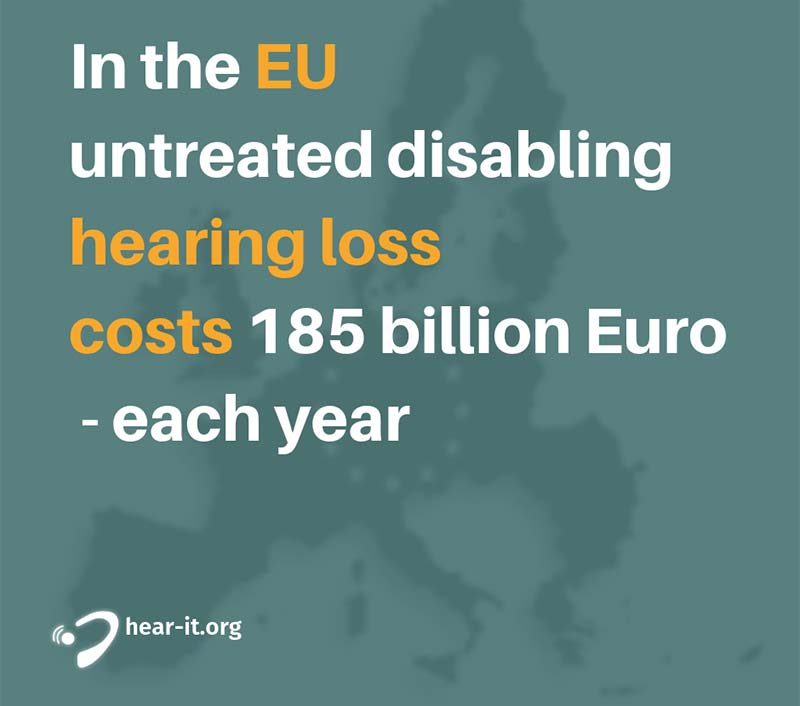
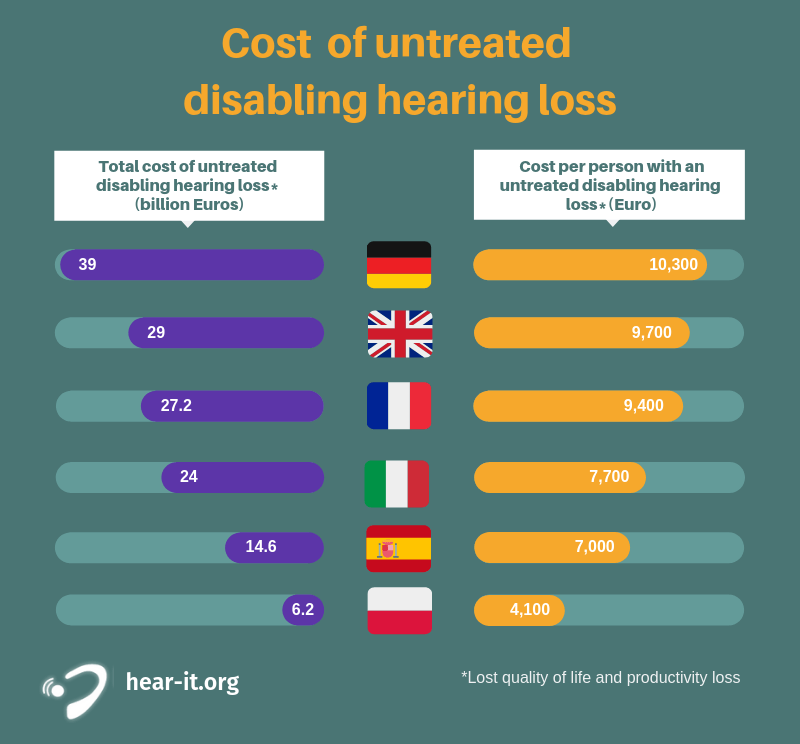
A new report by Hear-It AISBL (a non-profit organisation that works within the hearing loss arena) called “Hearing Loss – Numbers and Costs”, will be presented at a lunch debate at the European Parliament in Brussels, Belgium on the 6 of March in connection with the WHO World Hearing Day on the 3 of March. We have already reported on a press release linked to the report in the article “New report highlights the staggering impact of hearing loss” which detailed that 466 million worldwide people suffer from a disabling hearing loss. The report will also detail the financial cost of untreated hearing loss. They say that in the EU, untreated, disabling hearing loss costs 185 billion Euros each year. A disabling hearing loss is defined by the Global Burden of Disease research group (GBD) as a hearing loss greater than 35dB.
The report, “Hearing Loss – Numbers and Costs”, is carried out for hear-it AISBL by Professor Emerita Bridget Shield, Brunel University in London with the assistance of Professor Mark Atherton, Brunel University, London. In 2006, Professor Bridget Shield compiled the first report for hear-it AISBL: “Evaluation of the Social and Economic Costs of hearing Impairment”.
The British Irish Hearing Instrument Manufacturers Association (BIHIMA), working in partnership with its European counterpart EHIMA and Hear-it.org who has published the findings, is sharing the UK data of this global report to highlight the very real cost to society of untreated hearing loss.
Untreated hearing loss in the UK costs £25.5 billion each year
Around 3 million people in the United Kingdom live with an untreated, disabling hearing loss, which costs the UK £25.5 billion each year. This is a cost to society of £8,500 for every person with a disabling hearing loss each year. The costs are based on estimates of the lower quality of life and higher unemployment among people with a disabling hearing loss.
Lower quality of life due to disabling hearing loss in the UK costs £16.5 billion each year. Lost productivity in the UK due to higher unemployment among people with a disabling hearing loss costs £9 billion each year. In total, this is £25.5 billion. The cost does not cover extra health care costs caused by hearing loss.
The report documents that the use of hearing aids and other hearing solutions improves health and increases the quality of life. It also highlights that people with an untreated, disabling hearing loss are at greater risk of social isolation, depression, cognitive decline and dementia, while people who treat their hearing loss do not experience a higher risk than people without hearing loss.
There are 4.5 million people with a disabling hearing loss (>35 dB) in the UK. Around 3 million are not treated for their disabling hearing loss as only around one in three in Europe with a disabling hearing loss use hearing aids or other hearing solutions. That is a really poor figure and one that both Government and professional bodies need to change. With a steadily ageing population who live longer and longer and with an earlier onset of hearing loss due to increased noise exposure, this growth will increase even further in the years to come.
The report, “Hearing Loss – Numbers and Costs”, is a meta-study which has analysed and compared hundreds of scientific studies and papers in the last two decades about the prevalence and consequences of hearing loss and the use and benefits of hearing aids.
“BIHIMA welcomes this scientific report that chimes with much of our organisation’s campaigning work over the past few years to raise public awareness about hearing loss and halt its dramatic economic and social impact on our society”, says BIHIMA Chairman, Paul Surridge. “The report clearly demonstrates that untreated hearing loss is a major health issue and we call on government to recognise this and support early identification and intervention and the valuable role that hearing instruments play in providing a solution, both for the individual and for society.”
World Hearing Day is held by the WHO on the 3 of March each year to raise awareness of how to prevent deafness and hearing loss and promote hearing care across the world. The theme for World Hearing Day 2019 is “Check your hearing”.
The long vaunted merger of Widex and Sivantos is finally completed. Jointly, the business is now the third largest player in the hearing aid sphere. But what will that mean for consumers? What can we expect to happen and what benefits might it drive? Those are interesting questions, but to answer them, we need to look at the background of both businesses and their outlooks. Let’s talk about WS Audiology.
Sivantos, Capable of Anything!
I like Sivantos a lot, mainly because they don’t have a lot of history within the hearing aid world. Yes, they purchased Siemens and yes, many within the company are industry veterans. But I never felt that it stopped the business being capable of great innovation, the innovation and change that only outsiders can bring to any industry.
Within the greater industry, Sivantos are seen as a little crazy, but I like that a lot. Apparently, I am renowned for being a little eccentric myself, who knew? I and many analysts within the industry have always seen them as wildcards. I am not sure if any other business would have been brave enough to deliver the Styletto. I mean it is a completely new concept in hearing aid design. Since the takeover of the Siemens business, they have shaken it up across the world, securing existing business and driving new business.
They have also taken on some of what you would call movers and shakers within the industry to drive the business forward and secure new business. Outside of the business side, they have now delivered two outstanding hearing aid platforms since the takeover, they have also delivered Own Voice Processing which could have huge benefits for hearing aid users, and betted heavily on Bluetooth enabled hearing devices to move forward.
For me, this makes complete sense and they are just one of many manufacturers doing so. They were the very first to show signs of understanding that the connection to a mobile phone could offer so much more than just streaming when they connected movement to how the directional microphones would work and I look forward to seeing how that plays out.
Widex, A Renowned Maverick
Widex has been renowned as a maverick from the beginning. While most hearing aid brands were simply sales businesses that sell hearing aids. Widex was always a company of engineers who happened to sell hearing aids. There is a real difference to that and I am proud that I once worked there during that time. Widex has changed, it has been forced to be a more grown-up corporation, and while that has taken some of the shine of the business for me, I understand why it was necessary.
The change towards a more typical corporation could have changed Widex into just another bland company churning out fairly decent products. But, it didn’t, much to the joy of many ex Widex people. They still deliver on pretty interesting innovation as the Unique and then the Evoke platforms have shown. They are the first into machine learning and they are already using the benefits of it to make their user’s lives better.
What Happens Next?
From a business perspective, I think there will be organisational changes across the world. Business units will be merged on a case by case basis I would imagine. Sivantos business units being merged into Widex Business units where it makes sense and the opposite happening where it makes sense. None of that should or would affect consumers though. The brands will remain separate, I believe there will always be a Widex brand, just as there will probably always be a Signia brand.
Greater Innovation
I think the fruits of the separate R&D departments will lead to even greater innovation from both brands. Great people work better when they work with great people with different views and experience. I think that Sivantos R&D has a lot to learn from Widex and Widex R&D has a lot to learn from Sivantos.
I think the brands will follow their own course for at least a couple of years before the ranges become more homogenous. However, I would not fear that and I think it will just make the hearing aids themselves better. As consumers, we have to see that as a good thing. Like us on Facebook by clicking the link below, I promise not to send you pictures of damned cats.
People often ask us what is the best rechargeable hearing aid on the market. I always counter, the best for what? Getting an idea of what a user wants from their hearing aids allows you to better recommend a solution. Over the last few years, we have meant to address this concept in an article, but I keep forgetting. Anyway, here we are, let’s talk about the best rechargeable hearing aids and what they are best at.
Best Rechargeable Hearing Aids
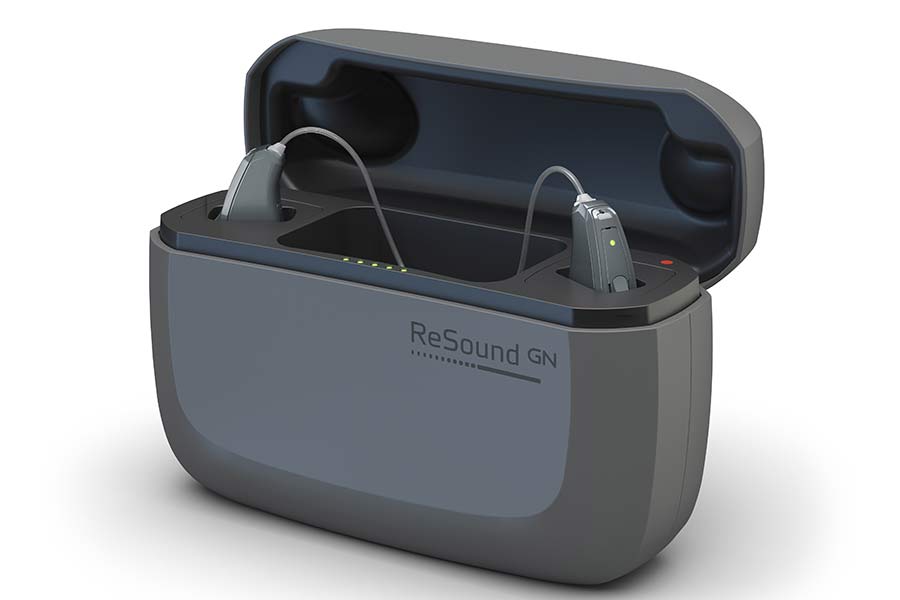
Best rechargeable hearing aid for power iPhone users: Resound LiNX Quattro
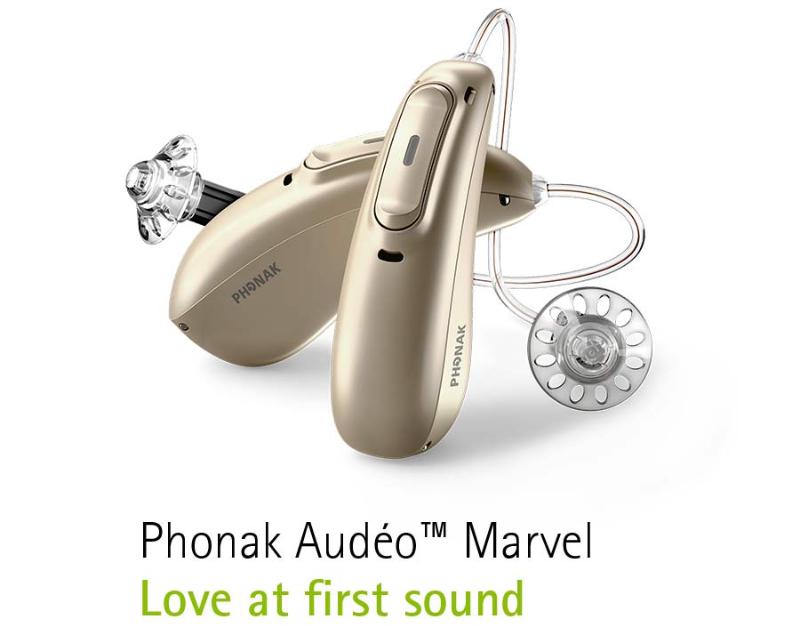
Best rechargeable hearing aid for Android phone users: Phonak Audeo Marvel
Best rechargeable hearing aid for users who value style: Signia Styletto Connect
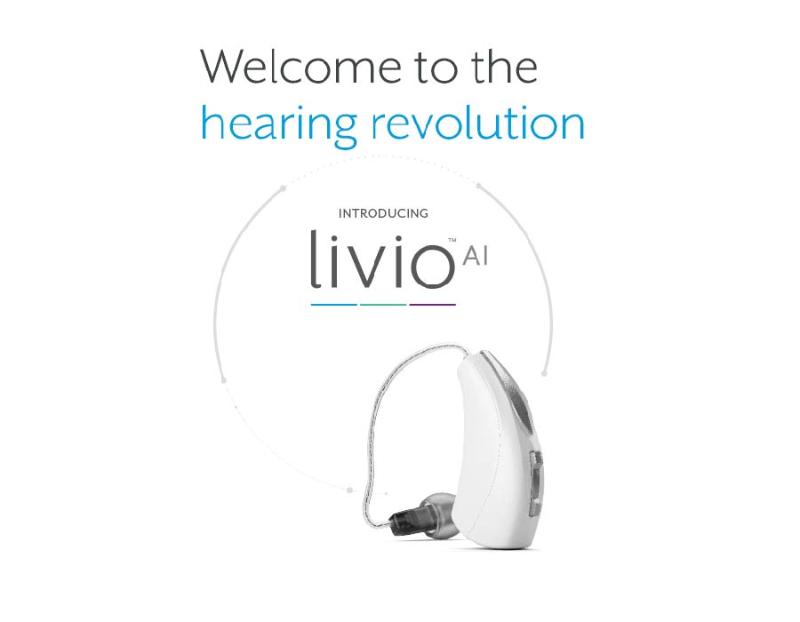
Best rechargeable hearing aid for health-conscious users: Starkey Livio AI
Best rechargeable hearing aid for seamless connectivity: Phonak Audeo Marvel
Best rechargeable hearing aid for battery versatility: Oticon Opn S
Best Rechargeable Hearing Aid For iPhone Power Users
The award goes to the LiNX Quattro from Resound. You have an iPhone, you want a Made For iPhone hearing aid, but you want the rechargeable device that offers you the best possible performance and longevity. Well then you need the LiNX Quattro from GN Resound, it really is as simple as that. The battery life on the rechargeable Quattro hearing aids is astonishing. If you are a power user, streaming audio for anything between five and twelve hours a day including your TV time, the Quattro will handle it with ease and still have enough power to get you all the way to bedtime.
Best Rechargeable Hearing Aid For Android Phone Users
The award goes to the Phonak Audeo Marvel right now, but that might change if Resound introduces the Made For Android protocol later in the year. Right now though, the Audeo Marvel rechargeable hearing aid provides the benefits of a lithium-ion rechargeable battery with seamless connectivity to Android phones. In fact, we should state clearly that it offers seamless connectivity to any Bluetooth enabled mobile phone. Battery life while streaming is acceptable and even power users should do okay.
Best Rechargeable Hearing Aid For Users Who Value Style
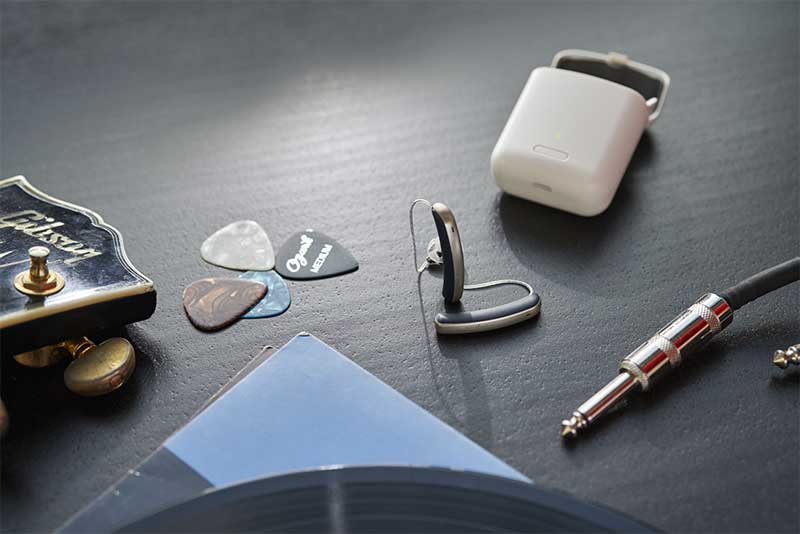
The award has to go to the Styletto Connect from Signia. The Styletto Connect offers discretion and style with a completely unique design. The devices offer both rechargeability and a direct connection to iPhones for streaming audio including phone calls. The devices will deliver several hours of streaming but if you are a power user of audio streaming you probably need to look elsewhere.
Best Rechargeable Hearing Aid For The Health Conscious User
It has to be the new rechargeable Livio AI from Starkey. At the minute the Livio AI is really the only hearing aid that is focused on the wider health of the user. The devices offer a lithium-ion battery and direct connection to iPhones for audio streaming. We have no details on battery life so we aren’t really sure about whether they are really suitable for power users of audio streaming. Having said that they are the only hearing aid that has some awesome and unique features that are focused on wider health.
Best Rechargeable Hearing Aid For Seamless Connectivity
Again the Audeo Marvel from Phonak is the easy choice here. The Marvel will basically connect to any audio source that is Bluetooth enabled. Laptops, computers, Macs, mobile phones, even TVs. In essence, if it has Bluetooth and it is capable of streaming audio, you can be pretty sure it will connect to the Marvel range
Best Rechargeable Hearing Aid For Battery Versatility
The new Oticon Opn S wins the award here because of the easily changeable lithium-ion battery pack. Oticon has just introduced the new Opn S range and it includes a brand new lithium-ion powered rechargeable hearing aid. The fascinating thing is that Oticon has ensured that the battery pack can be changed at a local level in your hearing care professional’s office. That means it doesn’t need to be sent back to the factory for repair and you don’t lose the use of them for any time at all. That has to be seen as a really great thing for anyone who is worried about the longevity of the battery pack.
As with other articles, I will continue to adapt and build this one. So drop back from time to time as I realise what I left out and as the best devices for different functions changes through 2019.

 Thisishearingaidknow